Aiden S. Clarke is an author who focuses on the American desert. His stories generally involve a cast of colorful characters based out of Barstow California. The setting is the 1970s-2000s, a time when Route-66 was fading and the new Interstate-40 was nearly complete.
Folks who were on the run for months or years at a stretch used to tell her it was a relief to finally be captured. Because it’s stressful being a fugitive—you lose a lot of sleep. It’s lonely too. Oftentimes Lyndy knew how they felt.
This adventure is so grand it spans two time periods, past and near-present. Having reached her mid-fifties, with an adult daughter, Lyndy E. Martinez still prefers to drive the same 1960s automobile—a fastback Mustang topping 250k on the odometer. But not all went according to plan. The present Lyndy struggles to make ends meet, residing in a small trailer, battling with alcoholism and feeling invisible compared to her past glory. A side gig tending goats is not bringing in enough cash, so she returns to her old job, except this time in a different town and state, Williams AZ, and with a new younger boss, Native American businesswoman Rhonda Thurgood. Her initial assignment has her investigating the falsified death and disappearance of a wealthy casino builder. She hopes for an easy score, but the re-emergence of a familiar name—Rita Lovelace—causes Lyndy to begin reliving old memories: a seventies road trip with the fashion icon, a glamorous stay in Vegas and an archaeology conference. Rita and Lyndy are on a mission to recover a stolen flute, thereby undoing a curse which threatens anyone who ever came in contact with the artifact, including Miss Lovelace herself. In order to make amends with her daughter Maribel, Lyndy knows she must somehow come to terms with her complicated past. And to focus on doing a good job for her new employer, she needs to re-examine her feelings, why her relationship with Rita went sour and yet touches her in so many powerful ways. At last, in worsening trouble with a casino syndicate, she knows the only key to survival is summoning her old way of getting things done, and showing these tough guys how she earned her nickname in the first place.
Lyndy Life Observation: In my day “axe throwing” wasn’t a light-hearted first date activity enjoyed whilst clutching a mug of hipster craft beer. Rather it was something lethal you had to watch out for while working a sanction for CBB. In fact, Mr. Chan one time had to defend against a guy wielding an axe.
Rita Lovelace claimed to be named for the famous actress Rita Hayworth, and unlike much of her colorful boasting, Lyndy could believe this legend was true. Suited her.
Arriving in style, their Mercury coupe had been whisked off to a subterranean parking area by two sharp-dressed valets. It’s what she assumed. But even if it were currently being joy-ridden around town by imposters—well, who would’ve cared?
Now seated at a glamorous top floor lounge, both ladies having changed to eveningwear and done up their hair, Lyndy Martinez was feeling a bit like a celebrity herself. Already a stranger had approached them, requesting Miss Lovelace pose in a snap for the local paper, and she obliged. They even asked Lyndy to squeeze in beside.
“Here’s a question. Do you know if we should be eating raw fish this far from a wharf?” inquired The Spitfire, scrunching her nose. She had her sexy new platform boots dangling from a stool, arms propped on the wide marble countertop. Her question was meant to be rhetorical, as behind the counter, professional chefs sporting red and black coats prepared the food. Their hands moved faster than Lucy in the chocolate factory, yet they made no discernable mistakes.
Rita grinned back, deftly reaching for another caterpillar roll. Loaded with avocado, it seemed impossibly heavy and lopsided—liable to splatter on the floor—yet she plucked it with absolute grace. Her technique was something of a marvel, as she planted one chopstick end between her index and middle fingers and the other between her pinky and ring finger; a fisted style. Lovelace weirdness.
“Beats one of those two-dollar buffets at the Gold Nugget,” muttered Rita with a mouthful of sticky rice.
Meantime Lyndy struggled. “Yeah. Except I doubt I’ll get enough to eat unless I grow a third arm.”
Rita chuckled. “I dunno. I’m managing fine,” she replied. She patted her full stomach, then gulped down a glass of iced tea; presumably quenching a wasabi burn. Despite lack of rest, the fashion model showed no outward sign of slowing down.
A hired musician was playing Burt Bacharach tunes on a baby grand piano.
Beyond the piano, floor to ceiling architectural windows exhibiting a dazzling cityscape of casinos, millions of blinking incandescents, rapid motions enough to make you dizzy and endless jets touching down at McCarran airport. Across the street, a flashing yellow marquee indicated Captain-&-Tennille were performing nightly at the MGM Grand. Two tables away, a sizzling hibachi, aromas of charring steak tempting and delighting her other senses. Faintly, one could even perceive slot machines dinging on the casino floor below, and sometimes paying out. So entranced, she almost forgot why she was here.
Lyndy paused to wipe away soy sauce which smothered her lips. “So uh, can you explain what the auction is like?” She was referring to the illicit antiquities sale.
Rita dropped two twenty-dollar bills on the counter like a bad-ass, then inserted a long Newport in her mouth, igniting it with her gold lighter. She puffed as she began to speak. “Right. Changes location virtually every year. No way to tell unless you start asking around.” Rita flexed the fingers on her right hand in a shuffling motion. “Sometimes they use poker chips, you know, to avoid any money changing hands.”
“Then in theory you can say nothing was bought or sold, just trading among friends?”
“Exactly,” replied Rita, checking her watch. “One time it was staged at a large personal residence, another year in the basement of a hotel.”
“Alrighty,” said Lyndy, dabbing her eyes with a cocktail napkin. The spicy tuna was getting to her, causing them to water. “Guess we’ll find out tomorrow.”
Rita dipped a hand down her shirt front, retrieving from hiding places unknown a brass-colored room key. “Take this one in case you need it.” She passed it to Lyndy. “It’s ten-o-clock now. I’ll see you back here at 2:30.”
Lyndy frowned. “You’re ditching me? Where the hell are you going?”
“I’m meeting a friend who’s giving me a private tour of the King Tut exhibit. After we’re going to a night club or two.”
“Serious? Guy or girl?”
“Guy.”
“Fine. I get it.” Pushing away her square plate, Lyndy sniffed and rested her chin on her hands. “You don’t want a third wheel.”
“Awe, Hon. You’re off duty. Just have fun or something.” Rita gestured with the cigarette to the world outside the windows. “Later when I get back, we’ll go to a show together.”
“Why? Are you sleeping at all tonight?”
“Nope,” confirmed Rita, fishing the lemon wedge out of her empty glass, then biting into it. We’re there five minutes and Rita has a date.
Sometime after midnight …
Lyndy Life Observation: A guy I knew in Hollywood once told me if he was cruising out to Vegas for a long weekend, he never bothered packing a formal suitcase—waste of time. He would literally shove a toothbrush, floss and tube of toothpaste in a coat pocket, grab his car keys, wallet and take off. Didn’t need anything else.
On nights like these, she wanted to be noticed. Which is why Lyndy’s backless dress had an outrageous sunburst pattern across her torso, screen printed and glittering in a bronze metallic sheen. Her hair was twisted by the skilled hand of Rita into a neat, 12-inch conical bun. An accessory belt squeezed her middle, decorated with about a hundred sequins. She even wore 3-inch gold hoop earrings. Of course, the plunging neckline in front and lack of a back made any kind of bra impractical; running or fast walking was out of the question. Hopefully there would be none of that.
She might not have been the only girl around with enormous hair. But you better wear sunglasses if you wanna look at me!
And ever notice how there’s never a wall clock in a casino? They don’t allow windows either. Those blood suckers don’t want you to know whether it’s day or night. They count on you losing track of time, a gambling zombie pumped full of mojitos.
Softly she dragged the tip of a purple lipstick tube across her upper lip. Then she smacked them together while raising the corners to peek at her cards. Her other elbow rested against the edge guard of the blackjack table. Back home, Lyndy had a habit of pinning her cards down with three fingers, but this dealer wouldn’t allow her to do so, chastising her in public. He hit on all soft seventeens too. They could take the joy out of anything. At her side, a dwindling stack of casino chips and likewise pathetically dry wineglass.
The dealer called for bets and The Spitfire pushed a single blue chip across the table. She looked him in the eye and he stared back like, “are you serious lady? I have a queen.”
Lyndy wondered how Miss Lovelace’s night was going.
Two tables away, a young floorman or pit boss hovered. She noticed he’d been keeping track of her. Tall and slimmer than most of his colleagues, he wore a tailored plaid suit, dark glasses and a fancy indoor cowboy hat. She watched as he passed a stack of quarters to the cigarette girl, and she returned to him a pack of camels. He’d been on shift quite some time, as his five-o-clock shadow was becoming the trappings of a close-cut beard.
“Nineteen! Sorry miss, house wins again.” The dealer clawed her chip away.
As he shoved the pack in his suit pocket, the fellow glanced her way again. He began to pace, moving with authority between her table and the next, this time lowering his glasses all the way. At last, their eyes met, and though awkward, having come nearer she could tell he was quite handsome—a bit roguish—no older than 35. Lyndy attempted a recovery and coy smile.
A slot machine dinged repeatedly; the earsplitting tones of a payout filled the floor. She returned her attention to the game. Next she knew, Lyndy sensed movement and a rush of air in her periphery, realizing the man had taken up an open seat aside her. He removed the hat and glasses, now eyeing her purse plus the empty drink. Her one fear, that he might ask to search her purse and find the Beretta.
She flashed him her finest smile, then gazed down at the table forlornly. “Ahem. This is definitely not my night,” she said with an exhale.
“I’ve been watching you for the last hour, and I know why you keep losing,” he stated confidently.
“Oh really, why is that?” she challenged.
The dealer was frustrated by this interruption; however, he had little choice other than defer to the presence of a senior employee. It was further evidence this young man was more than a fellow gambler.
“Miss, you are at table number thirteen,” he answered, pointing an index finger on the center edge, underneath the padding. Therein featured a small engraved plaque, with the roman numerals XIII. “This is quite possibly the worst table in the house.”
“Ewww. You’re right!” Lyndy exclaimed, rotating 90 degrees in her stool to face the stranger. “Well, this explains a lot. Story of my life.”
The dealer had a frown on his face and folded his arms.
“You can call me Graham,” said the young man, extending a hand. She sensed a relief in his voice, as though he’d been nervous to meet and introduce himself.
Delicately she shook his hand, wanting to appear sophisticated. “Lyndy,” she replied.
Tilting toward the north wall, where a windowed room and ornate double doors could be seen, he offered, “how bout coming with me and trying something a little more exciting for a change?”
Hopefully it was a simple pickup line. She peered across the casino, through a floating fog of smoke—just setting foot in here was probably carcinogenic—to see if she could tell what was going on in the darkened area. Then she spread her middle finger and thumb, gesturing between them. “Oh …uh, but we’re still talking about gambling, correct?”
Graham laughed. “Yes. Of course.”
Lyndy raised an eyebrow, glaring at Graham. “If it’s roulette or craps I have to stop you. Cause dude I’m telling you I’m bad luck. It’ll be like shoving money in a furnace.”
Graham shook his head. “No, no. Trust me. You won’t regret it.”
“Well, I’ve got nothing else to lose.” She tipped back the last remainder of her drink. “To tell the truth, I’ve had better wine at a communion.”
“And you don’t look like bad luck to me.”
She stood up, collecting her purse. “Is that so?” Now she needed to focus on not tripping in her tall shoes, looking like a klutz. Lyndy proceeded to follow Graham, snaking between busy tables and stools.
Arriving at the heavy inner doors, he unlatched it for her using one of those turned handles spanning top to bottom. She let her eyes adjust. At the other side, in uneven lighting like one of those classy steakhouses, more people. Yet the carpets here were ruby red. Your average stiff wasn’t getting in here.
An employee in a tux stood before her, offering a container roughly the size of a See’s candy box. She accepted, peeking under the lid. “Holy mackerel! This is like $2500 in tokens,” she thought, but didn’t dare repeat.
“Complements of the house,” the man said, touching the brim of his hat.
The room featured four games: baccarat, roulette, craps and Texas Hold’Em poker. There was really only a single choice, because it was the one game she knew she was good at. She peered over at Graham, who was about to leave. He nodded and shoved on his glasses, as if indicating he had to keep working.
After shuffling over, The Spitfire stood at the poker table meekly, her tray appearing like an open pack of Oreo cookies in her hands. Men were staring. Big middle age seventies guys. Grumpy faces. Couple of sophisticated older chicks, Ritas in twenty or so years.
She needed to think of something really clever to say, because she didn’t belong here. She inhaled deeply. “My boss gave me the night off, so ….” Everyone continued staring. Lyndy sighed. “Uh…after seeing me would you all believe my mother was a redhead?” She glanced at everyone, nodding her head. It broke the ice. A few people laughed. Everyone smiled.
The next morning …
She could hear television static.
Lyndy opened an eye, becoming aware her surroundings were flooding with sunlight. But they were nice surroundings. You know when you slept too hard, you wake up and you’re so disoriented you don’t even know your name? Through a gap in the curtains, she could see dry ridges. She focused on an intense glow, a dip in the mountains where the sun had emerged. The line spread side to side, expanding along the horizon. Beside the nightstand, her flashy dress and other clothing lay scattered on the shag carpet. Other than static and a faintly ticking flip-clock, the space was quiet.
Their room was situated on the second highest floor, and at this altitude all was peaceful. “Rita must have left the TV on,” she thought. Lyndy planned on covering her head with a pillow to block the light, then drifting back to sleep. She rubbed a palm against her cheek and it seemed gritty with desert sand.
Shifting her view, she spied the other queen bed. Miss Lovelace was there, flat on her back, chest rising and falling rhythmically. No covers on her upper body—all having been pushed to her feet. She had a thin bra and one diamond, the size of a baby’s tooth glinting in the recess of her sternum. It was secured on a platinum chain.
Lyndy chuckled to herself. Doesn’t matter who you think you are or what you try, sleep catches up with you. Were she awake, Rita would hate having her body uncovered, even to a close friend. And oddly her skin was all beet red, looking sunburned.
“Sheesh. How does anybody sleep on their back?” wondered Lyndy. “It’s so unnatural.”
Lyndy threw aside her own covers. She had to give the girl some credit. This hotel bed was plush, and the sheets—though certainly a cotton blend—well, they felt almost like silk. She ran her fingertips across the pillowcase, smooth and soft as a baby duck.
Then she felt her stomach tighten. It wasn’t hunger. She inhaled, staring urgently at Miss Lovelace. Twisting at the hips, The Spitfire planted both feet on the carpet and rushed to the other bed.
“Rita, you should wake up,” pleaded Lyndy, tugging on Rita’s ankle.
“What?” replied Rita, as she yanked the sheets over herself. “What’s happening? What time is it?”
“It’s morning. You fell asleep.”
“Oof. My head really hurts.” said Rita groggily.
“You have a rash on your torso!” cried Lyndy.
“A rash?” Rita pushed herself up onto her elbows, poking her head under the sheets. Her head popped out immediately and the expression on her face was pure terror. “You’re right. I have blisters too. It’s all over my ribs!” Kicking with both feet, she worked her way back to the padded headboard, propping herself higher. “It’s painful too. Feels like burning.”
Click! The flip alarm clock turned over, displaying 08:00.
“Let me have a closer look,” implored Lyndy.
“No way.” Rita twisted herself further into the sheets. “What am I gonna do?”
“I dunno. I need to see. Maybe it’s chicken pox?”
Lyndy tried to touch her but Rita squirmed away, crawling for the other side of the bed. “I already had chicken pox. I have to get to the tub.” She hopped down to the floor and scurried to the bathroom, wanting to check herself in the mirror. She slammed the bathroom door as she entered.
“Want me to find you some calamine lotion? I could go to a drug store,” offered Lyndy.
“No, Lyn,” replied Rita from behind the closed door.
“You know it could just be an allergic reaction to something we ate. We each ate a pound of raw fish last night—which now that I think about it is pretty suspicious. Bad seafood can cause a rash. Or … or maybe it’s the hotel’s laundry detergent?”
The door opened partway, enough for Lyndy to see the angry face and reddish upper-chest of Miss Lovelace. “Lyn, it’s the curse. Dr. Tarner played the flute.”
“Okay. Okay. Let’s assume you’re right. Then what do I do?”
Lyndy Life Observation: A hot, lazy seventies afternoon in Chan’s, both of us watching Let’s Make a Deal on TV—me probably doing my nails—and someone won a zonk that was literally an adult water buffalo on a leash. The look on the contestant’s face was fantastic. The buffalo stamped and snorted, Carol Merrill squinched, Monty laughed, and every time I think about that memory I chuckle.
Being a mother is hard—even when it’s not your biological child. But Maribel was hers, as the interminable hours of labor with Kyle waiting bedside were the proof.
To make it back to the Ramrod bar, they had to cross the lively strip. Driving around town, her daughter at the wheel, Lyndy’s neck pain was starting to subside. Her hands were trembling though, in part from the caffeine, and she didn’t know what to do with them.She stared at her heels, wishing she’d brought more practical shoes for this caper.
Meantime Maribel was waiting for an answer.
Lyndy blew her nose in a tissue—allergies mostly—then inhaled deeply. “Alright fine, here’s the deal. I don’t expect you to understand me. But you should know I tried really hard to be the woman your father needed me to be. Multiple times, and it caused both of us a lot of pain. His parents did not approve. Obviously. Only made our circumstance worse. From where you’re at now, you can’t imagine what it’s like to be in that position; I was so damned upset and disappointed with myself. Cause I wanted to change. I wanted to be one of those wealthy and bored housewives you see on TV. So for him to say he asked me to marry him. Well, that’s the easy part I’d say.” She realized her eyes were watering. “Oh, for god sake.”
Maribel passed her another wad of tissues.
“I promise you mi jita, that’s the truth,” Lyndy added.
“Why couldn’t you change?”
Lyndy gazed straight ahead, uncertain how to put her feelings in words. How to explain marriage requires sacrifice and compromise—and she’d been unwilling to do either? How to explain to your daughter that having an unattached lifestyle and multiple boyfriends was considered pretty cool—but not. “Cause I guess it’s like Rochelle told us about the rules of the universe. One thing may become another thing, but only for a brief time. And when they do, it throws the whole system out of whack. So eventually balance must be restored.”
Looking at her sideways, Maribel gave her mom a skeptical eye. “Did you make that up just now on the spot?”
“No. Course not.”
“Essentially, you’re admitting that you had the power within you to become what dad’s family wanted you to be.”
“Well … correct, but only a few months at a time.”
Maribel sat in silence, continuing to focus on driving; hard to tell if she was stunned, disillusioned, or what she might be thinking. And now The Spitfire knew what Mr. Chan must have felt when she pouted in silence. Mari had inherited her ability to carry a grudge.
“I mean … I totally feel like the worst mom ever,” said Lyndy. “And with the night I had, I should be pretty sick. But I’m not. Rochelle did something to me. I know it.”
“Look, you aren’t even close to the worst mom ever,” reassured Maribel. “Nobody thinks that.”
Freakin Kyle trying to act like he didn’t know why we never got married. Lyndy shook her head while staring out the side window. “Why am I like this?”
Ten minutes later …
Lyndy waved goodbye to her daughter, who had a shift starting soon. Mari had dropped her off at a cement pullout where buses sometimes stopped, then continued on down the boulevard. Her parting words were the usual: “Be safe”. She’d given up long ago on the notion of talking her mother out of any ill-advised plan, no matter how bizarre sounding.
Next Lyndy hoofed it on wobbly heels, hair probably going every which way, feeling like someone who … well to put it kindly … had partied too hard and maybe had a romantic fling after. But at least it wasn’t that bad. And luckily nobody on foot was around to witness this embarrassing scene, as she stumbled into the lot from the southeast corner.
The Wimbledon white fastback, just where she left it, at first appeared untouched. She breathed a sigh of relief, pausing to fish the jangling set of keys from her purse. In fact, there were a number of other cars here too, no doubt belonging to patrons of nearby businesses.
Moving in closer though, she soon came to an unsettling recognition. Where the keyhole was on the driver’s side, the little chrome bezzle showed several ugly scratches. Those hadn’t been there before. And the little flap cover which prevented ice from forming, that piece too was dented. But the doors were locked and windows intact.
Nice of whomever broke into her vehicle to go ahead and lock it back up. Maybe they figured they’d done such a fine job she wouldn’t notice.
She stood in uneasy silence, taking in her surroundings, studying the storefronts and checking on any sneaky passers-by. She was officially on the radar of the builder’s syndicate, or whatever mystery group were targeting the Aloyans. The morning air felt a little chillier.
Now much more cautious and alert, she stepped gingerly up to the car, sliding the key into the damaged slot and continuing to listen. In the back behind the seat, a plastic sack of expired food, including vanilla wafers and grape soda, exactly where she’d left it.
She dropped her purse on the empty passenger seat, then easing behind the wheel, reached over to undo the glove box. Inside she found the contents—including insurance and registration card—undisturbed.
She climbed back out, feeling her way to the trunk and popping the lid. Those silver quarts of oil were there, along with a duct-tape covered jug of coolant. Couple of shopping bags with empty yogurt cups. Tools. Jumper cables. Spare tire and jack. That ugly thrift store sweater she used when she was freezing. All of it hastily searched and shoved in roughly the same spots as before. Unless she’d forgotten something—certainly possible given her aging grey matter.
“So wait, somebody picked open my lock, carefully searched this dumb car, but didn’t swipe anything?” she whispered. Meaning they must not have found what they were after. “What the heck?”
Taking a deep breath, she slammed the trunk lid.
She had a surreal craving for junk food: nachos, like the truck stop c-store kind with jalapeno slices. Maybe some Gatorade or diet soda would help too. Then she’d circle back to Rochelle’s. She checked her watch, thinking.
Lyndy slipped off her pumps, planning to drive with bare feet. But first a precaution. Getting down on hands and knees, she craned her poor neck at a right angle so she could see underneath the car. Perhaps there was like a one-in-a-billion chance someone would rig an explosive charge under there. But she couldn’t spot anything—not like wires sticking down. And having a pro assassin go to that much trouble, well it might be almost flattering at this point. Nada. She returned to the driver’s seat and slumped down.
Resting her forehead against the ice-cold steering wheel, Lyndy shut her eyes briefly. A knot formed in her stomach, as all at once it occurred to her what they were really after—and of course they hadn’t found it cause it wasn’t here.
“Oh duh.”
It was the thing she’d been avoiding thinking about, ever since her first encounter with new boss Rhonda.
Wearily she set her left foot on the clutch, inserting the key in the ignition. As she went to turn it, her gaze drifted upward and she caught the bright glint of light. A white flash like that triggered her instinct to duck—a true old west kind of response to something unnatural. Her body hadn’t moved this quick in ages, and she went flat across the seat like a ninja.
The clapping sound which followed was unexpected, as it made her believe someone had chucked a good-sized rock at the Mustang. No exploding glass, just the THUNK of metal bending. After a second or two pause she popped her head up, just enough to see over the dash. When nothing else happened, she twisted the key, attempting to start the motor.
“Okay, it’s time to punch it,” she thought. Recklessly she slammed the gearbox into reverse, slouching in her seat and watching the mirror; bad part was you could only see if something tall was blocking your way.
After backing up twenty-feet, she jerked the lever into first and gunned the engine. An instant later she peeled out into the busy avenue, swerving, cutting off a delivery truck driver but she didn’t care.
As she rolled down the street, constantly checking to see if anyone was following, she knew the car had been shot and hit, but where? She touched her chest and abdomen. Perhaps adrenaline was masking a mortal injury, but pulling her hand away it seemed as though she’d been spared. So where did it strike?
The engine sounded different, a bit louder, but still had plenty of pep.
It angered her in an irrational way. This car survived so many dangerous encounters: braved the Mojave Desert, the neighborhoods of East LA, bone-jarring crumbling freeways, the back streets of Vegas, the sands of Arizona—all with mostly original sheet metal. And to be shot at? What an insult!
Thank goodness Mari had to leave for work.
She wanted to get a few miles from the scene to be sure no one tailed her. Rhonda would be pissed too, knowing this had happened. She didn’t care for conspicuous things, and this car garnered about as much attention as one of Liberace’s rides. Admittedly.
Several Minutes later …
Lyndy Life Observation: Saw this bumper sticker on the back of a run-down VW van that said: God is watching when you tip. And for once, there’s a bumper sticker I can agree with.
It was at one of those 50-cent filtered water dispensers where she finally caught her breath. Pulling off the road she parked in the shadow of this bizarre monolith: a blue and yellow tower with three grated insets, where one could bring their own re-usable five-gallon jugs to fill. People who visited these contraptions lived off grid, had trailers in remote wild places where municipal water didn’t get delivered.
And the tower was decorated with the mural of a jolly teardrop. Future archaeologists would assume these things served a religious purpose in a land of so little rain.
Her pulse was racing—gonna be one of those days. She jumped out immediately, put on her shoes, then dashed around the car in a loop. And there it was, they’d hit her at least twice, the holes like vampire bites in the milk-colored hood. So the shooter had been on an upper floor or roof? That’s where the glint came from. She ran fingers over the smooth arc of stamped metal til they dipped abruptly into divots cause by the bullets—like little black holes warping time and space.
Leaning in the window, gripping the lever below the dash, she popped the hood and raised it all the way. The visible tangle of spark-plug wiring, coolant and fuel lines; a miracle to have been shot and yet missed everything vital. But not everything.
“Ooof!”
Raising her arms, she locked both hands behind her head, exasperated, as she observed damage to the cast aluminum valve cover on the left-hand side. The grayish metal had been pierced. Oil sloshed around by pushrods and valves was now oozing out the side, dripping down the engine block. She was so agitated she had to march a quick circle round the water filling station and come back. Her baby was wounded—not to mention, those original-style covers weren’t cheap and a messy pain in the rump to get back on. Could have been worse though.
Poking her head in the engine bay and a little closer to the firewall, she noted fragments of metal embedded there. She’d been lucky; any more force and it might have punched through to where her legs were.
Hurrying to the trunk she searched for rags, and finding an old undershirt, coupled this with her tools. A combination of the ratty undershirt and strips of tape peeled from the coolant jug helped her plug the hole, stem the bleeding. Obviously not a lasting repair job, but would suffice to allow a limp home. Assuming the valves were unharmed, she could later weld in something a bit more permanent.
She wanted water too, fearing the damage could affect the cooling system. Pacing to the water dispenser with a handful of quarters, she placed the yellow jug under the spout.
Recent events had left her hyper alert of surroundings.
Across the street was a closed dollar store and a church with drab metal siding. The whole church building was covered in brown painted steel, with a handmade sign stating all were welcome. Something told her those folks really meant it.
Hmmm. If you think about it, what kind of church would Jesus have taught in? One next to a dollar store? Important thing was there didn’t seem any place for shooters to hide.
Next to the blue-collar church, a mom-and-pop home improvement store. A group of day laborers huddled near the landscaping, and a pair of them paced the sidewalk. Those men wore conspicuous turbans; she assumed they were Sikhs, though there was no way to be sure. The pair were eying her.
As she was waiting for the yellow bottle to fill, one of the men pointed to her. He spoke something to his friends, too distant for her to perceive but sounding like a foreign tongue. After, she distinctly heard the man yell: “Bullitt”.
Maybe it was the type of day she was having, or the drumbeat of nightly news which instilled fear of random attacks; but she recoiled, every muscle in her upper chest tightening. Her breathing ceased as she pressed her back against the monolith.
The man said it again. “Bullitt”. The whole world was closing in. How did they find her again so quickly?
She reached for the jug—not sure whether to flee—and where to go for cover? A stupid jug of water would make an awful weapon.
His buddy, all smiles, shouted across the street: “Steve McQueen!” And it struck her. A grin and relief. Guess in their homeland they’re a little behind on current films.
“Of course. Yeah. Like the movie,” she pointed to her car. “Cept that one was green.” She was able to move again. The men chuckled. Made sense after all. Whomever was actually coming wanted her to feel intimidated. Mission accomplished. She went back to work filling the radiator, pondering the fact that Rochelle said she was supposed to fixate on a cat.
Prior to getting spooked, she thought she saw something shiny she wanted to retain. The asphalt was pretty coarse, so to save her ribs and delicate back she threw down one of the grungy floor mats. Then armed with a set of pliers, she shimmied under the car from a point just behind the front left fender well. By wiggling with the pliers, she loosened remnants of a mushroomed projectile. Easing back into daylight, she inspected her find: a fragment of a semi-jacketed lead bullet. “Gotcha,” she mouthed.
Later at S-bucks…
She almost never came here, but Mari used to love these places—the little cups of kid’s temp hot chocolate, her favorite treat.
A jazzy tune played on the ceiling tile mounted speakers. Three baristas in green, one of them a Latina, tattoos of playing cards—the queen of hearts—on her right arm. That girl was working harder than the other two duds. Below the cards, something in cursive writing; from this angle looked like “Bad-at-Love”.
Teenagers seated on stools pecking thumbs rapidly on their phones. At the counter, drinks were piling up. Guy in front gets rung up for 30 bucks, only has 4 drinks.
All she wanted was hot water—no other place to get it. In her pocket she had a tiny envelope of black powder, the ground up seeds. “Focus on cats dummy,” she told herself.
But she couldn’t only think about felines. Her mind kept wandering, as it always did. And now it drifted back to California. The event she’d been thinking about when she touched hands with Rochelle, because Rochelle was from her same era and place. A message was hidden in their touch, perhaps the reason she’d lied about the memory. Rochelle must have known the real vision.
It was a smoggy summer in East LA. She remembered being seated next to Aunt Rose Martinez, in the afternoon on a weekday, on one of those orange metro buses. This chaos all around them. Sun shining, the LA skyline floating in a moat of haze. Behind them some weirdo shouting incomprehensible gibberish. A nun in the front row praying. Car horns honking. And Aunt Rose, sitting there closes her eyes, tilts her head back and falls asleep. That blew her tiny mind. Still did. Sleeping on a city bus. She nudged Aunt Rose. “Are you tired or something?” No answer.
Approaching the front, a red-haired twenty-something barista locked eyes with Lyndy. “Hot water only please,” she said. “Tall cup. No tea bags or anything.”
“Hot water? That’s it?”
“Yes,” she repeated. “How much for just that?”
“Hot water is free. But the cup costs 25 cents,” answered the young man. “Name please?” He stood there with an obnoxious grin, but retrieved a fresh cup.
“Lyndy.” She passed him the quarter.
As he used a sharpie to write on the cup, he said in a snotty tone, “How’s yer day goin?”
“Well, I’m hungover,” she answered. “Depressed. My daughter thinks I’m a bad mother. And I got shot at this morning.”
Lyndy Life Observation: Thinking about the classic 1980s remake movie The Fly. How come his DNA merged with the fly, not the billions of bacteria—your microbiome as they call it—which live inside and on the human body? Or whatever mold is floating in the air of Jeff Goldblum’s crappy NY loft style apartment? Why do you have to be naked to use teleportation? Can you imagine if on Star Trek, they had to get naked to use the transporter?
The lights were out and being an unfamiliar space, she had no clue where the switch might be. A sharp whiff of something citrusy, grandma-style discount store potpourri, and muted tones of a new age music lent the space a dreamy feel. Or was it simply a result of her intoxicated state, a ringing in the ears?
Digging in her purse, Lyndy recovered a battery-operated penlight. Flicking it on, she shone it at the walls. One big room was all there was apparent, ruby red curtains dangling most places, but other sections pasted with a funky gold wallpaper. Dim and quiet, no sign of an occupant. It had decaying floors. Near the back corner, a rear exit.
“Guess nobody is here?” whispered Maribel, her tone in the form of a question. Folding her arms, she glanced behind, sticking near the front door.
“Gimme a sec,” said Lyndy, heading for the far wall.
“Let’s just go,” Maribel added.
“Know what this place needs?” asked Lyndy, feeling behind the curtains for a switch.
Mari shook her head. “I dunno. A glitchy TV and some creepy dude saying, wanna play a game?”
“I was gonna suggest a giant bronze gong. But your answer is better.” Having located the switch panel, she twisted a raised plastic knob. Ceiling lights flickered on, leading to a temporary blindness. Seconds later one massive figure emerged from the back, their platform boots heavy, punctuated on the creaky floors, large hair brushing the door frame.
You know when somebody seems apart from time? As if you weren’t expecting them to age, because they always appear the same in every memory you have—like a photo on a mantle visited only in holiday seasons, or how George Burns seemed to go on forever. So when these folks do age, it’s even more of a shock. But it shouldn’t be. Because they’re human, and all human beings are subject to the forces of time.
Her face, once flawless and full, having succumbed to numerous wrinkles. The hairdo, a natural cut, largely white instead of the shiny black. But hell, she still had it. And tall, but no longer skinny, Rochelle had put on maybe forty pounds.
“Well, I’ve been waiting a dog’s age for a visit from you,” declared Rochelle. In spite of the years, two things had remained constant: her calm, empathetic voice and her inquisitive brown eyes. Yet they were fixed upon Maribel and it made Lyndy uncomfortable.
“Eeesh. I can see the old age truck caught up and ran you over as well,” jested Lyndy.
In her mind, the observation hadn’t been near as harsh as it sounded aloud.
Rochelle blinked and exhaled. “I can see you’re still a smart ass,” she replied. “And you reek of a barroom.”
“Ahem. … oh, this is my daughter,” Lyndy explained, turning to face Mari, who was still stationed by the front. “Maribel, this is Rochelle Bishop.” With her hand, she encouraged her daughter to come forward but Mari refused.
Instead, Maribel lifted her chin, letting her eyes meet with Miss Bishop’s gaze then looking away. “My mom talks about you. But somehow, I didn’t know if you were real.”
Rochelle smiled at that.
Entering the room from a hiding place unknown, an elegant Siamese cat mewed—the apple-headed breed, slithering between Rochelle’s legs with tail raised. It rubbed its cheeks vigorously on both her ankles, as though taking a liking to the leather of her black boots. They were a Louis Vuitton style, but not the genuine ones, a good imitation.
“You were Chan’s favorite,” accused Lyndy, finding her speech a little slurred.
The off-handed remark caused Rochelle to chuckle. “Mr. Chan had a favorite girl? Yeah right!”
A silence followed, while rain pounded steady on the roof. The cat, its coat mirroring a toasted marshmallow, stared up at Lyndy with stunning blue eyes and those diamond shaped irises. It might have been awkward, were it not for a sense of relief she felt just being around someone from the past. Somehow, she needed this.
“I uh, hope we didn’t wake you,” added Lyndy, putting away the light and folding over her purse flap.
“Oh, I don’t sleep all that well anymore,” replied Rochelle. Her heels clicked.
“Well, lemme just get to the point here. I’ve been trying to pick up some more work and I got this humdinger of a sanction from Rhonda Thurgood—you know the Mountain View. It involves a wealthy developer, and a construction contractor who maybe faked his own death … and … I wanted to get your opinion on how to accomplish something. Cause every idea I have sucks.”
“Which is?” coaxed Rochelle.
“I need to become invisible.”
A comical expression came over Maribel’s face—both embarrassed and amused.
Lyndy held up her hands, fingers splayed. “I know. I know. I’m a crazy you know what. But … but not that crazy. And I don’t mean like, nobody normal will talk to us, or buy us drinks, cause we’re the forgotten baby boomers. And it’s all about millennials now. I mean…”
Rochelle smiled.
“…I mean, I literally want to become invisible. Cause that place is hiding something.”
“Mom’s drunk,” added Maribel.
“I know what you mean,” assured Rochelle, speaking in a serious tone. “Follow me to the other room.”
How ironic! The lengths she used to go to avoid Miss Bishop, and the way she seethed underneath whenever Rochelle strutted into The Vanishing Point on a Saturday night. She never learned to share the spotlight, and without really trying the former go-go dancer had a way of stealing the show.
Pushing aside a curtain, Rochelle revealed a hidden doorway. From the street, she hadn’t imagined this second room would be here. Perhaps once a stockroom—but what kind of supplies did a fortune teller need—it was smaller than the first, no larger than her storage unit, approximately the dimensions of a single-car garage. Like a true garage, the sides were unfinished, no insulation, pipes and tarpaper exposed. But none of that was wholly unexpected. The oddest thing was in the center of the room, on the concrete floor sat a green two-seater canoe—the style you might see at a pricey summer camp in the mountains.
“Please, step into my boat, won’t you,” commanded Rochelle, standing to the side. She gestured grandly, waving her palm to the closest seat from the stern.
Using both arms, The Spitfire eased onto the flat seat, as though the boat were actually floating and might capsize. Lagging behind, Maribel seemed unsure.
“It’s not a trap. Come here mi jita,” said Lyndy.
Mari rolled her eyes, glaring at her mother. “Don’t call me that in public.”
“Sorry,” said Lyndy.
Rochelle took the bow seat, nearest the helm, and sat so she was facing Lyndy. Sighing loudly, Mari knelt in the empty storage space between her mother and the stern. Even the cat, strolling into the room, put its front paws on the side. Hopping up gracefully, it curled into the lap of its owner, snuggling and beginning to purr.
Rochelle stroked the spine of the cat, then held out both her arms as one would saying grace. “Grab hold of my hands,” she coaxed.
“Uhm…what?”
The Spitfire hesitated, considering whether this was a wise thing to do. If their fingers touched then she might be able to do certain things to her body. But one didn’t come here, the shaman’s home turf, and not expect to be tricked. She twisted back to check on Maribel, whose face expressed nothing but skepticism.
Nervously, she turned to Rochelle, locking eyes with the tall woman. Holding her arms steady, Lyndy allowed their palms to merge; as soon as it happened, she felt a tingling in her neck and a radiant warmth of Miss Bishop’s large hands. Rochelle’s fingers squeezed tighter around hers, and Miss Bishop closed her eyes as their surroundings abruptly transformed. Oldest trick in the book.
What had been a bare cement floor, now tranquil waters, stretching on for miles, almost as far as the eye could see. The walls had become a honey glow of sundown, with faint blue outline of distant ridges cradling the lake. But it was the glorious desert evening which awed her and Maribel, reflecting fiery shades of orange on the tranquil waters.
“Whoah,” said Maribel.
“Is this …”, Lyndy craned her neck, taking in the scene. “… the Salton Sea?” She could have sworn she felt a rush of cool breeze, carrying with it the smell of brine. But something in her body had awakened her senses as well. An aching in her joints, so constant in life she hardly paid attention anymore, for the time being had vanished. Alcohol could only numb these pains, not make them go away entirely.
Rochelle grinned and nodded; her eyes open now.
“This is incredibly realistic,” said Maribel, dipping a finger into the water and watching in wonder as droplets sailed from her finger.
“I call it V-R, for virtual reality,” added Rochelle.
The cat, suddenly aware of being stranded in water, sniffed the air. It gazed out the side of the canoe at the vast expanse, cocking its head like a confused Weimaraner. Even the cat knew this made no logical sense.
“Listen Lyndy, I can’t actually make you invisible, any more than I can stop time. You know that right?”
“I suppose.”
“And if I could, I’d charge a lot of money for that—more than you can afford. Here’s the reason: one thing cannot become another thing. It’s one of the immutable laws of the universe, so engrained in us we don’t have to be taught.” Rochelle paused, stroking the cat’s neck to calm its anxiety. “On the other hand, you and me aren’t known for following the rules. And temporarily, we may be able to bend them in our favor by exploiting a loophole.”
“Get to the point Rochelle,” Lyndy complained.
“Pay me $300 bucks and I’ll turn you into a cat.”
Maribel laughed loudly, but Lyndy didn’t.
“It’s very temporary. It’ll last maybe an hour at most.”
“Okay, how does it work?”
“I’m going to give you a tea from seeds cultivated in the rainforests of Peru. You dissolve it in hot water—wait for it to steep. Don’t do something stupid like snort it!”
“Is that supposed to be directed at me?” Lyndy muttered.
“Oh, and listen to me, word of advice, stash some spare clothing for yourself when it wears off. You obviously aren’t going to transmogrify with a cute outfit. And be sure to fixate on this particular cat for the next several days. Only the cat, got it?”
Lyndy nodded, undoing her purse. “Makes sense.”
“Mom, you’re not seriously gonna hand over $300?” lectured Mari. But The Spitfire was already licking her index finger, prepared to dole it out.
“Hon, I need to get in there,” Lyndy asserted.
“Isn’t there some other method? Like cut their power line?”
Lyndy shook her head. She passed the folded over cash to Rochelle.
“Stop by tomorrow afternoon. I’ll have the dry ingredients ready; all you’ll need is a tea diffuser and cup of hot water.”
The moment Lyndy stood, the room went back to normal—disappointing to Mari.
Rochelle grabbed The Spitfire at the shoulder. “Let me read your fortune. I’ll do it free.”
Lyndy chuckled. “Don’t take this the wrong way, but that’s a hell no from me.”
Rochelle frowned. “I saw a memory just now, when our hands touched.”
Lyndy stopped resisting. “Saw what?”
“A winter moon shining through a busted-out window on a malnourished child, curled up and shivering. You were on a rug, laid atop wood floors. A room without a bed. Tall buildings. Sirens in the night. A young boy, placing a quilt over the girl, and nothing to keep him warm.”
Lyndy paused, crafting a response. “Oh, come on. So what,” she replied. “You witness a blip in a person’s life. Big whoop!” Lyndy attempted to jerk away but Rochelle held a grip on her top.
“Look, you did a wonderful job raising Maribel. You ought to be proud. But you still go around with this enormous chip on your shoulder. You carry a weight of many grievances. At your parents? For abandoning you? Leaving you and your brother destitute, to face the challenges of being a strong, bright kid, growing up in East LA.”
“For Christ sake. How dare you try and lecture me? Now? What do you know!” Lyndy managed to wrestle the part of her blouse free of Rochelle’s grasp. “I gave you money. Go buy your medical prescriptions and leave me be.”
“I can promise they loved and cared about you.”
Lyndy gazed at her daughter in disbelief, however Maribel only seemed confused. The Spitfire then gestured westward, the direction of California and Los Angeles, tilting her head to the sky, as though asking God to weigh in. “I really don’t recall asking your goddamn opinion. But after everything that happened … how can you even begin to think that?”
“Your family was from Mexico, right? Yet they abandoned you in America.”
Lyndy Life Observation: If you’ve ever gotten drunk and fallen asleep in a bean bag chair, you might be from the seventies.
A new day dawned clear and cold; the storm having cleansed the atmosphere of aerosols. They used to do the same over El Sereno, and it always lifted her spirits, like the whole city had been renewed.
At the same time, the brightness hurt her eyes. Not only that but her neck ached, not from a rotten pillow or the aftermath of whiplash, actually an odd symptom of a hangover. She didn’t dare try and walk yet, fearing more things would hurt or she might trigger a bout of nausea. Still she rose, stuffing a pillow behind her back so she could rest against the headboard.
Maribel was up already, and a smell of expresso permeated the air. It was the type of trendy condo without a drop ceiling, leaving pipes and black ductwork exposed, but making the room feel larger. It was handy, Maribel’s friend owning this comfy timeshare, as she truly didn’t know what she would have done otherwise; might have slept in the car. Like the good ol’ days. If there were good old days.
From the king bed Lyndy could watch the sunrise, above the mountains to the East. As it rose yellow light glinted off the colorful exteriors of casino buildings, water droplets having condensed on the cold glass.
“Damn,” she whispered, remembering the white mustang was stranded at the bar. They’d need to pick it up first thing—and hopefully someone wouldn’t mess with it. But she had a sinking feeling they would.
Her eyes fell upon the nightstand, an LED alarm clock blinking 12:00 due to a power outage, and a curious tri-fold pamphlet.
Rolling over halfway, she lifted the pamphlet, holding it twelve inches from her nose so she could resolve the title: “Signs and Symptoms of Depression”. She chuckled. So fitting for this town. Must have been left behind by a previous vacationer. “Wonder how many boxes I can check?” she thought, before setting it back down. She pinched her nose and squinted.
Years ago she remembered an AA meeting, a cold gymnasium, the dreary accountant-dressed speaker dispensing a bit of uncommon wisdom with a cigarette: “If you decide to sit down and take a quiz on whether you’re an alcoholic, maybe the answer is already known.”
Angelic Maribel arrived from the kitchen, clutching two small white mugs. Her hair was wet from a shower, but she’d already brushed it. “Hey,” she said cheerily. “They have some comfy looking chairs on the balcony where you can sit if you want.”
Lyndy shook her head.
Mari set one of the mugs on the nightstand next to Lyndy, taking a sip from the other one. “There’s a breakfast bar in the building. I was thinking I’d head down. Did you want me to bring you something back? They have hash browns and stuff.”
“Don’t you have to work?” asked Lyndy.
“Not until noon,” said Maribel, scooting up to sit on the bed next to her mom. “And I quit school, so no classes,” she added cheerily.
Lyndy let out a gradual exhale, rubbing her fingers over her scalp. “I could use a ride to pick up the Mustang.” She locked eyes with Maribel. “Hey sorry I got into with Rochelle a little last night. I was kinda, you know, … buzzed. I wasn’t in the mood for her psychology bull shit. She should have known that.”
Maribel sipped her coffee.
“Mom, there’s something I need to ask you. And please don’t give me any of your usual deflections or other baloney.”
Lyndy chuckled. “Not you too.”
“Dad told me that when you found out you were pregnant, he specifically asked you to marry him. And you two were engaged for a while. He said you lived in his lake house. So like, why didn’t you just marry dad? Wouldn’t it have solved ten different problems at once?”
Uh oh. This question is like twenty years in the making.
“I’ll answer your question, but before I do, there’s something you need to know.”
“What?”
“Rochelle definitely lied about seeing that memory.”
“Okay. How do you figure?”
Lyndy took another sip, letting the warm liquid lift her fog. “Cause if that did happen, I actually don’t remember. And it isn’t even remotely what was going through my head at the time we touched.”
Lyndy Life Observation: Here’s a serious question, why is getting a tattoo removed so much more painful than getting a new one put on in the first place?
Last time she took a spin by Darrel’s old address nothing hinted of its former splendor, only empty windswept acres—and I mean bare earth. The entire hillside had been flattened, prepped for new construction with bulldozers. Presumably all the valuable items were taken, sold, remainder hauled off to a dump. She couldn’t even be sure of that outcome—the Wards all but erased. Only photos and her fading memories, were proof of what had been.
She located the tavern across from a dollar store, in an older, sixties-era strip mall. Tiny wire-reinforced windows glowed yellow and blue, fogged from humidity. Their blinking sign out front advertised slot machines, tequila and video poker—in that order. Perfect. All her favorite vices collected in one convenient stop. Far cry though from the classiest establishment, and definitely not a place catering only to twenty-somethings. She held a grudge against those modern top-floor nightclubs, where people treated her like somebody’s grandma who wandered away from a home.
From the outset, there were a handful of other positives. Hers wasn’t the only nor the ugliest vintage hooptie in the lot. That honor went to a seventies-era F-100 with camper shell, a bit like the one Edward Abbey used to drive.
She could hear loud country-rock music. She didn’t see her pal Ben yet, but also didn’t know the type of car he drove—or for that matter, whether he drove. He seemed like a Mercedes type of guy. Maybe?
By the looks of an overcast sky, lit from underneath by the dazzle of the strip, rain was on its way; plus her wrist joints were achy.
Even at what some might call mature age, a nervousness still swept over her prior to meeting new people or being in large groups. A kind of social anxiety. Funny because most folks would assume anybody nicknamed “The Spitfire” would be a natural extrovert. But not the case. Her inherent confidence and assertive qualities meant nothing. She’d always been an introvert, preferring the solitude of a humble desert dwelling, another reason she mostly lived alone.
Maybe those people inside would pick her apart?
She swiveled the side-mirror, checking her makeup, though it didn’t help much. She dabbed on purple lipstick, wishing her hair weren’t so short and wiry. She remembered a time when it was flowing like a fox’s tail, as on that road trip with Rita, later achieving “hair band” proportions when permed in the eighties.
You know bad hair days? I’ve been having one for about a decade and a half.
She touched up her cheeks with blush, but the rest of her wasn’t going to change. Reaching for her purse she slammed the car door.
Stepping her way toward the entry, she noted the volume on the honky-tonk music had notched up a tick. Along the alley a trio of motorbikes were parked. They were the laid-back touring types, with leather tassel on the handles. She used to fear those; reminded her too much of a certain notorious gang led by a man named Wallach. But that was a long time ago. Now it was over-the-hill white-collar males like tax accountants who bought those, mostly because they felt they’d squandered their youth working a crap office job.
Inside, the bartender smiled; he had old-school gold and silver tooth caps. He was about her same age, sanitizing a beer glass by squirting it with hot water. His gelled and slicked back hair was a mixture of gray and brown.
“Welcome. My name’s Nate.” He had a deep, former smoker voice, but in a sexy non-trailer park way. Colorful tattoos, the kick-ass kind, adorned both his arms. “What’s yer name young lady?” The words rolled smoothly off his tongue and she had a feeling this grungy dude could charm the spots off a leopard.
Was nice to be noticed for a change, even if all he was after was a tip. Across the room, a younger female tended bar facing the opposite side. Hers was busy. She seemed to have the same personality as Nate though.
Lyndy chuckled, cracking a grin like a teenager. “Lyndy.”
He stared back with hypnotic eyes. “Now there’s one you don’t hear every day.”
“You ever meet another Lyndy?” she quizzed.
“Oh sure, once in a blue moon. At least one I can picture her face. She worked in a tattoo parlor. Nice girl.”
He set a napkin in front of her while The Spitfire climbed onto a barstool, set her elbows on the oak top. “What’s good here?” A three-quarter full bottle of Herradura commanded the cat bird’s seat of the shelf. But alas, she couldn’t afford it. Her chin sank a bit lower.
“You like martinis?”
She nodded affirmative, clearing her throat.
“Bacon martinis are a specialty here. Unless you’re one of them hippy chicks who doesn’t eat pork or red meat? Nothing wrong with that.”
Lyndy shook her head. “No, sounds great. Gimme a bacon martini.” Then she lifted her purse, resting it on her lap. Not to be too judgey, but it seemed like the sort of joint where her wallet might do a Houdini act—and it so happened she had a fat wad to protect.
Blues music came on the stereo.
“Remember when you could smoke in a bar?” she commented.
Nate chuckled. “Remember when bars were fun?”
A couple were dancing on a small sunken dance floor; she watched them as she waited. Here’s a mind-boggling nugget from a different era: in the seventies, Catherine used to dance in her waitress uniform—she could twirl like an ice skater—in between waiting tables at The Vanishing Point. And it didn’t seem strange. Nowadays that would be weird.
Nate slid her a martini and she took a first salty sip.
“Hey there,” came a voice from behind, Ben Cardenas having a seat at the bar. “Saw yer car out front.”
From under the counter Nate retrieved a square bottle of reposado. Another brand she couldn’t afford. He set the bottle in front of Ben and placed two shot glasses; one for him and presumably one for her. Then he deftly plucked the cork.
“Oh boy. I should warn you guys, I’m not wearing my life alert. If I go down its all on the line.” She had to yell to overcome the volume of the music.
Ben and Nate chuckled, as well as a couple other men who’d somehow materialized in the group.
“Can you all do me a small favor? I’m looking to have a conversation with anyone who’s recently worked at the Zohara Ranch jobsite; totally anonymous.” She sipped more of the martini, while everyone held their tongue. “Any of those dudes come here?”
“From time to time, yeah. Who should I say is looking?” Nate asked. “You?”
Lyndy first pondered that one. It was a key turning point in a sanction such as this. “Why don’t you tell em it’s the old chick who drives the white fastback Mustang.” She reached in one of the side pockets on her purse. “If they can’t find me, they can call this number and ask for Rhonda.” She slipped a calling card for Rhonda’s Mountain View motel.
Ben stood up, bracing against a vertical post and scratching his back like a contented grizzly on an old tree. With his thumb he pointed to The Spitfire, speaking to Nate. “I’ll tell you, it’s a fact man. Lyndy was the hottest thing on four wheels back in the seventies and eighties.”
Lyndy made a funny face, adding, “Well, if you’d known me … all I can say is … I thought I was.” She said it humbly, letting her words trail off and gazing downward. “You bet I was. Me and Rita both,” she pondered.
But she regretted her vanity and arrogance.
“Oh god,” voiced Lyndy, her eyes squinting hard. Hastily she began fanning her face.
“What’s up?” Ben asked.
“Don’t look at me. I think I just burped bacon infused vodka.” Everyone chuckled again.
Several tequilas later …
So engrossed in her video poker game she was, she hardly noticed the cute, brown-haired youngster who dashed in. But she very much noticed when the girl shouted across the crowded bar: “Mom, what the hell!”
Through bleary eyes all she could tell was the girl was dressed in a blue and white pizza delivery uniform, approximately the correct height and profile to be Maribel Ellis.
“Are you nuts or something!” Maribel exclaimed, coming closer.
Ears were pretty bad too, but she knew the fun was over.
“Crapola.”
Maribel reached for Lyndy’s arm, literally yanking her from the stool.
Her balance was completely wrecked. Lyndy spun around like a top, nearly collapsing, pointing shakily to the poker game. “This machine … is hot! I .. I .. have a good hand.”
Maribel collected up her purse. Speaking to the bartender she asked, “how much does she owe?”
“Mari, I’m paid up,” Lyndy argued, waiving her daughter off, but still too dizzy to move on her own accord.
“Wow, is that yer daughter,” Lyndy heard a rough man say. “She’s really cute.”
“Let’s just get out of here,” demanded Maribel.
“Go where?”
“Anywhere but here,” answered Maribel, escorting her to the door.
“Geez, you’re embarrassing me!” said Lyndy.
“What you just said is stupid on so many levels,” scolded Maribel, pushing their way through two sets of doors.
Seated in the Honda Civic, smelling of hot bread and cheese, things did start to seem a little more absurd. “I mean, how were you gonna get home?” Maribel asked, her voice calmer, hands on the wheel. “Seriously, how?”
Sighing, Lyndy looked around. It was raining hard all of a sudden. You could hear the drops pounding on the roof. Rain in Las Vegas? It was an anachronism, especially a cold soaking Pacific storm like this. “I dunno,” she replied.
Maribel exhaled, shaking her head in frustration. “I have a friend, lives in LA most of the year. I think she’ll let us crash at her timeshare for the night.”
Sinking lower in the passenger seat, Lyndy whispered, “How did you locate me?”
“Rhonda texted me; asked where you were. When I didn’t know, she suggested I start calling seedy bars in this area.” Maribel glanced at her phone, the digital display on top glowing blue with the time. “The goats needed feeding, but Les said he’d do it for you.” Les worked for the same farm which owned the goats.
Lyndy had newfound respect for young Miss Thurgood, her intuition and her craft. She stared at the windshield, beads of water holding the neon light, sliding down when they got too heavy. In her left hand she began stacking several layers of those thin paper restaurant napkins—ones with the pizza place logo—then holding them to her face, blew her nose.
Mari twisted the key and the oddly configured Honda wipers sprang to life, skating side to side. Her phone buzzed with new text messages.
“Okay, waiting for folks to come to me is taking too long. But I do have an idea. To make it work we need to enlist the help of Rochelle,” she said, bobbing her head. “Rochelle Bishop will know how to get into that enclosure.”
“What?” asked Maribel, dropping the trans in gear. “You aren’t making sense. We need to get you some water and straight to bed.”
“Mrs. Aloyan said something curious and it’s been bugging me ever since—takes a lot these days to keep me up at night. Her husband had been missing since a car accident. Something about a secret which cannot easily be erased.” Lyndy rubbed her arms together, suddenly feeling a chill. “It’s like a movie I’ve seen before, but can’t recollect the title or the actors.”
Maribel looked at her funny. “Mom, how can you possibly contemplate work now?” She twisted all the knobs on the Honda’s AC system, attempting to defog the windows.
“I don’t have a toothbrush,” Lyndy complained.
“How sad. And I had to end my shift early to come rescue you! My own mom.” Maribel backed the car up, pointing the nose so they were idling near the sidewalk. “Fine. This night can’t get any more ruined.” She shrugged. “So how? How do we find Rochelle Bishop?”
“She runs a fortune telling shop in this part of town. I just can’t remember what street.” Lyndy glanced around. “Hmmm. Maybe we can find a phonebook or something.”
“Ha!” Maribel rolled her eyes, laughing. “Right. Or we could use the GPS I have for the home deliveries.” She pointed to a colorful gadget suction cupped above the dash.
“Oh. Great idea. Can you work that thing for me?”
“I can’t believe I’m agreeing to this. What do we punch in?”
“Rochelle …. well … she’s kind of a psychic. I remember it being a little white building with two other shops. Had one of those neon crystal ball looking things in the window.”
Maribel rubbed her eyes with her palms, then grabbed hold of the gadget. “So, fortune telling? Rochelle …”
Lyndy shut her eyes, letting her head rest against the passenger seat. “Yeah, that’s good. Actually, you know, try this: Nola Jones Fortune Telling. That was her stage name.”
Ten minutes later …
The tiny row of shops was only a mile and a half from the strip. As they drove through town the streets had emptied out, traffic non-existent. Had it not been for the awful weather, hordes of people would still be out walking. Most nights, life didn’t slow down here until 2 am. Yet everyone with a place to go had retreated to the casinos or their hotel rooms. Water was pooling in some of the intersections, flowing in the gutters. Where did the winos go on a cold night like this?
She could remember when the Hilton seemed impossibly large, looming like the Hoover Dam. And 600 rooms, how could you fill that night after night? But now there were ones with over 5000 rooms and even grander hotels in the planning stages.
Sometimes it seemed as though nothing could stop this juggernaut; certainly not a lack of water, or land, or electricity or workers. Year after year it expanded, or regenerated itself from the middle outward. All these glass monoliths. What is something that can’t be easily erased, but would scare a fat cat developer?
She must have dozed off for a few minutes. When she opened her eyes, she saw the sign buzzing in the window: “Fortune Teller”. Beneath it, hard to read in cursive, Nola Jones. They were parked right in front.
“Mom, this place is super weird,” said Maribel, rubbing lotion on her hands.
Feeling a bit more sober, Lyndy took a sip from a plastic water bottle pulled from the door pocket. She looped the strap of her purse over her head.
Maribel pointed to the clock on the radio. “It’s eleven forty-five at night. How do you know she’ll be here?”
“Meh. It’s Vegas. That’s like seven o’clock most places.”
“Okay. But there’s no open sign. I guess fortune tellers don’t go to bed.”
“She’ll know we’re coming,” joked Lyndy.
“Then why doesn’t she pick the numbers on the next lottery,” muttered Mari.
Stepping into the downpour they rushed for the single door, Maribel pushing on the metal handle, hoping it would be unlocked. And it did open, with the clang of a bell.
Lyndy Life Tip: Here’s a great way to annoy your kids. Gradually start injecting the terms “stand-by”, “roger-that” and “over-and-out” in everyday conversation. At first they might look at you funny, but over time it drives them completely nuts! (These are phrases a person on an old trucker-style CB radio might say.)
“When I was fifteen, I could do twenty chin-ups,” boasted Rita gleefully.
“Oof! Then how come you’re having so much trouble accomplishing one now,” grunted Lyndy, sounding out of breath. Hunched over and supporting Rita’s sneaker with her fingers locked, The Spitfire was grimacing. Meantime Rita was gripping onto the horizontal cross-beam, a dried out, skinny board connecting each of the upright fence posts. Lacking room to spread her hands, her arms and elbows trembled painfully.
“You know this is hell on my nails,” remarked Lyndy, though she was being facetious. Her irritation stemmed more from having to play the part of Miss Lovelace’s step ladder. “And I can smell your sweaty feet.”
“Oh geez. I’ll pay for a manicure, Lyn,” offered Rita, swinging her 35-mm camera around by the strap, moving it out of harm’s way to the middle of her back.
Yes folks, before internet auction sites existed, if you wanted to find cool muscle cars you had to sneak into tetanus-laden junkyards like this.
“See anything worthwhile yet?” grumbled Lyndy. Her pulse quickened and her mind swirled, thinking of all the unique treasures waiting behind that barrier.
“Yeah, a nicely patinaed Bel Air,” Rita answered, speaking in a hushed volume so her voice wouldn’t carry.
“Groovy, but too old,” replied Lyndy. “And not enough spare parts.”
“Oh, oh, visible gas pumps!” said Rita excitedly.
“We’re looking for a car, not stuff to decorate your front yard.”
“Then I hope he has a classic Ferrari back here.” Miss Lovelace sniffed and scrunched her nose, pretending to act snobby. “Here I go!”
Rita strained at the same time Lyndy lifted. Kicking out her heel as far as her pants and youthful flexibility would allow, Rita caught the rail. With grip faltering, Rita managed to shift her center of gravity up over the pointy apex of the fence—and not scratch up her midriff. With a whoosh she used both arms and her knees to cushion the descent, landing on her feet in a crouched position.
Skies were hazy, and somewhere a lonesome rooster crowed.
Straightening to full height for a back stretch, Lyndy twisted side-to-side to take in their surroundings. They should have phoned ahead. She felt sure the Wards didn’t mind her and Rita sneaking in their yard when they were away, but other folks like neighbors wouldn’t know. Lucky so far, there wasn’t much action in this part of town—plus being the afternoon, anyone not at work would be taking a siesta.
Aside from a row of yellow hollyhocks, not much grew. Mrs. Ward had all but given up keeping her yard presentable. The house was a drab stucco affair. In its heyday though, it would have been something to envy—their cozy three-bedroom cottage having stood since a time when railroad executives dominated life.
“You were right, this place is a gold mine,” whispered Rita between slats. “Send over my hat.”
Reaching down for the floppy straw hat with white and black ribbons, she flung it over the top rail like a Frisbee. “Wait up for me,” Lyndy exclaimed. Felt great to introduce Rita to something cool for a change.
First backtracking several yards to gain momentum, Lyndy jaunted and sprung off her toes aiming for the cross beam. This is where childhood monkey bar experience came in handy. Catching firm hold, she drew in her knees and kicked her feet, scrambling to obtain the slightest traction on the smooth verticals; whole time she was straining with her biceps. Sheer determination helped propel her over, and it paid off as she made it without damage. From the opposite side Rita reached skyward, steadying Lyndy’s plunge to earth.
In the process of scaling the tall fence Lyndy’s outfit became twisted. She paused to straighten up. While re-tying her shirt tails, smells of cracking rubber hose, brake dust and assorted engine crud flooded her nostrils. But also a whiff of chemical sweetness, fresh grease perhaps.
As The Spitfire got her bearings, she could see Miss Lovelace bounding off through the narrow paths, showing little regard for the existence of threats such as snakes and junkyard dogs. Charging out ahead, never waiting to assess a situation was one of Rita’s traits that got on her nerves. But it didn’t matter cause Rita would never change. Chasing after, Lyndy gathered the lower half of her hair in a scrunchie, then pressed on her sunhat to secure the rest in place.
Junk encroached on all sides, the visual overwhelming, more than Lyndy remembered from her last visit. Tire-smoking hotrods and muscle cars were known to be Darrel’s specialties, but also cool cars like Cadillacs meant for cruising, convertibles and even some exotics. If you couldn’t find something here to suit your fancy, you simply weren’t trying hard enough.
Many vehicles, a 53 Studebaker for example, exhibited rich patina from baking in the Mojave sun. The twenties gas pump beside it still had a clear cylinder and bubble-like glass globe—the thing Rita called a visible pump—with a logo too long faded to recognize. Teenage troublemakers used to steal those for target practice. Nearby sat an old wringer-style washer, having been transformed into a storage container for junky crankshafts.
Anxious to catch up with Rita, Lyndy raced down the gravel access path—only reason it stayed clear was so Darrel could get a new clunker in or out—and even this was a losing battle. A handful of cars like the Studebaker, were well beyond saving. But Lyndy knew a useful trick to ID-ing premium ones. These were the models stored under tarps, oil stained drop cloths and occasionally, cotton bedsheet covers.
Lyndy halted suddenly, reversing her tracks. Something hidden, a subtle clue, caught her eye: the ridges on the quarter panel and body. Pinching the corner of a tarp, she raised it twelve inches above the hood to confirm.
The crummy tarp had seen better days. Pinholes in the weave created a dazzling array of spots on the ground. These shafts of light highlighted floating dust particles, making her nose itch, causing her to sneeze. Still Lyndy crouched, running fingers across the chrome grill, mostly intact and un-pitted. She could feel three capital letters embossed in the mesh of the air intake, knowing what they must be without seeing yet. Slanting her head, she confirmed: G-T-O. People used to pry off and steal those badges. The legendary tri-power, with three two-barrel carbs, sleeping peacefully.
Her ears could imagine the sound that car made. But the color was a lacquer black, not exactly her favorite, less certain that Rita would like it. She let the tarp fall back in place.
Mind wandering, Lyndy inspected a heap of 4-speed transmissions directly adjacent the Pontiac. She was thinking maybe a drop top convertible would be nice to have, especially on a trip to Vegas. But then she felt a poke to the rib cage. She jumped, though she knew Rita had returned. Her partner in crime—the only girl she knew who shared the same passion for transportation—sporting a devilish ear-to-ear grin. It was the look an elementary schooler had with a fistful of change, waiting on an ice-cream truck.
Rita stuck her thumb out sideways, urging Lyndy to follow. “Come quick. I found a sexy one,” she pleaded. “But I’m not quite sure what we should offer.”
Before Rita could pull her away, Lyndy spotted something else worth investigating. Beneath a stack of scrap carpets, a different breed of sixties muscle car displaying a curious hint of faded turquoise green. “Hey, what came in that old-man color?”
Rita held up her palms and shrugged. “This is your department, Lyn.”
The exposed body panels, including the hood, were sandblasted to a dull finish. Feeling around with both hands, she managed to snag the hood release. Squeezing hard it clicked free. “What do we have here?” Lyndy wondered aloud. Next moment she raised the hood, its bone dry hinges creaking more than she would have liked. But for the first time possibly in years, daylight fell upon the Cleveland V-8. With the autolite carb it was an M-code. “Not bad. We can work with this. As long as it runs.”
Rita brushed off the chrome badging. “It’s a Cougar?” Her tone was in the form of a question.
“It’s a cousin of the Mustang, just not near as pretty.”
“Oddly, I kinda dig this color,” Rita mused, squeezing herself between a stack of tires—tilting like the Tower of Pisa—and the driver’s side door.
“Really?” sighed The Spitfire. “I dunno, maybe it’ll grow on me.”
Rita shaded her eyes to peer inside. “Seats look good and clean.”
Lyndy hooked the dipstick with her ring finger, lightly dunking it up and down several times, then drawing it out completely. The skinny blade of steel flexed under its own weight like a willow branch, and Lyndy supported the center with her free hand. Bringing it close to her nose, she sniffed.
“Smells alright,” Lyndy declared, glancing to Rita. “We need to ask about this one.”
“Okay, but you gotta see this other I found before we make a decision.” With that, Rita jerked her hips and elbow sideways, managing to snag the hood support. Rita was unharmed, but the heavy hood came slamming down with a thunderous crash. Anybody, even a person down the block at the tire shop would have heard it.
In the aftermath, the two stared at one another, Rita frozen in place and looking very guilty. “Sorry,” she muttered, shoulders slumping.
Lyndy’s gaze shifted, searching for an escape route, or higher ground. But they’d have to scramble over the top of cars if they wanted a fast exit. “Hey, do you hear that sound?”
“What now?” Rita replied.
“Like a diesel motor? Someone pulling into the driveway?”
Lyndy Life Observation: Ode to the one time I lit off a “Piccolo Pete” under the bleachers during middle school assembly and later got hit with detention—but somehow worth it.
Minutes later they found themselves seated in the Ward’s cramped kitchen, window fan on high, with peach color cabinets and an original kit-kat-clock on the wall; those creepy cat eyes clicking side-to-side incessantly.
Negotiations were off to somewhat of a rocky beginning.
The table was circular, and with Rita positioned with her back to a window, sunshine pouring through was making her outsize diamond earrings sparkle. Next to her feet, Darrel’s rottweiler lay panting, splotchy pink and black tongue dangling like a floppy trout on land. He’d sunk into this position almost immediately upon entering from outside.
On this day Mr. Ward, gnome-like with a white beard, oozed irritability.
Lyndy brushed her hair and watched as Rita changed a roll of film, while her hat and conspicuous ruby-red pocketbook rested on the Formica counter. “Well I just want to say again, we honestly didn’t know where you were and …”, voice sounding chipper as her eyes set upon Lyndy, “and it was all my idea to hop the fence to preview your inventory. Please don’t fault Lyn.”
Darrel cleared his throat. “It’s called work. That’s where I was,” he answered dryly. “You two ladies really ought to try it sometime.”
Using a fist, Lyndy disguised an ill-timed chuckle.
Actually Darrel was wrong, because we both had jobs. I worked for Chan’s and Rita owned an art gallery.
Darrel, in his forties, with scraggly 4-inch beard hiding the lower half of his face, looked like the kind of guy who could watch a whole Carol Burnett Show and not laugh once. Impatience showed in his weary eyes. Attempting to butter Mr. Ward up with chummy car guy talk, like some wishful buyers did, never seemed to help. In fact most of those he ran off. Flirting, no matter how overt, had no noticeable impact either. But clearly he exhibited a soft spot for Miss Lovelace, Lyndy too. So at the very least they had that going.
Rita rested her hands atop her checkbook, thumbing it like a flipbook.
Eyes locked on her, Darrel took a sip from a mason jar of iced tea, then leaned back with his arms folded. “So whaddaya all want?” he questioned.
Reaching beneath the table, Lyndy patted the rottweiler atop its head and scratched the fur between his ears. “Say, where’s Tammy today,” she inquired, while the dog soaked up the attention.
“Working the taco stand.” Looking Lyndy’s way he tapped on his watch. “It’s summer hours. Tons of folks headed to the stateline.”
“Oh right,” said Lyndy. “We knew her Buick wasn’t here but figured she might be with you.”
“Well?” Darrel asked again, demanding an answer to his earlier question.
“Mr Ward, we were hoping to score keys to a classic car today,” Rita announced. “We’re not looky-loos either; I brought money.” She held up the checkbook, fanning it in front of her face. “Needs to be running and driving of course. Got a long day ahead of us.”
“Oh fantastic,” thought Lyndy. “Already broke the first two rules of car buying; revealed we intend to close the deal and showed we have plenty of dough.” Lyndy cleared her throat loudly to gain Darrel’s attention. “And also, my Ford needs looking at. Something funky is going with the carburetor.”
“Leave it here and I’ll check it over the weekend,” sighed Darrel, pushing his bifocals further up on his scrawny nose.
Rita pointed eagerly to the backyard. “I believe I spotted a silky-black Corvette …” but before she could speak another word, literally a split second, she was interrupted.
“No!” said Darrel. “No way. No way. No way.” He rested his thumbs in his suspenders, a further signal of his unwillingness to make a deal.
Rita’s mouth was open, but no words came out.
“We mean the 63 black split window model, Darrel. Does it run?” asked Lyndy.
“I know which one you mean. Runs like a Swiss watch. Answer is still no.”
“I haven’t even given you a price,” Rita complained.
“Woman, how is it you barge into a place you’ve never seen before and immediately fall in love with the most valuable piece of merchandise in the joint?”
Rita couldn’t help cracking a smile.
“It’s a talent of Rita’s,” Lyndy jested.
Darrel frowned, then took another sip of his tea.
“I typically get what I want,” said Rita firmly. “So why in the world are you holding onto it?” She extended a hand, as though searching for an explanation, something she could pick apart to make the sale happen. “Sentimental reasons?”
Darrel shook his head. “Not on this.”
“I’ll give you thirty-five hundred. That’s almost what it cost new.”
Lyndy had to admit, the car Rita wanted was sexy. She fancied it too. New tires. No obvious rock dings in the windshield. Plus the fiberglass body was in perfect shape, with so many layers of lacquer paint it was like touching marble.
“I promised that one to Hal Needham,” explained Darrel. “We had an agreement.”
Lyndy pounded her open palm against the table, in a chopping motion. “Wait, that Hal Needham? The guy from Hollywood?”
Darrel nodded.
“Mr Ward, we are here now and we have dough,” Rita argued.
“Sorry, but that doesn’t change a thing.”
She noticed his thumbs were no longer trapped in his suspenders—mellowing out.
“Aaarrrg,” grumbled Rita.
With the way things were trending, Lyndy knew they were just as likely to insult Darrel as make a deal, and it wasn’t her intention to leave here empty handed.
Standing up, pushing in her kitchen chair, Lyndy shot Rita a glance. Squeezing between the counter and Mr. Ward, Lyndy placed her fingers on his bony shoulders, then started gently giving him a neck massage. At first he tried to jerk away, but it only took a moment or two until he relented and gave in.
“Alrighty Darrel, you’ve obviously had a tough day at work,” voiced Lyndy. She could feel tension releasing in his neck. “Let’s all just pause and think.”
“Oh, quit sweet talking me Lyndy,” scolded Darrel. But he rotated both his shoulders and slanted his head side to side. “You know, actually that does feel pretty good.”
“Okay, I saw you had a blue and white Trans Am back there in the south corner,” said Lyndy. “Hasn’t been sitting very long. Has the 455 motor. How bout we give you 1800 for it?”
She let the offer hang in the air like an unfinished thought. Taking a step back, giving Darrel some space, Lyndy braced her palms on the counter. She cupped her fingers on the edge while casually admiring the baby blue linoleum floors. The slobbery dog looked up at Lyndy, then his owner, as if taking part in the negotiations.
“Oh, I missed that one,” said Rita, perking up. “But sounds splendid.”
“Sorry, can’t have that one neither,” said Darrel.
“Why not?” Lyndy asked.
“Yeah, does it belong to Burt Reynolds or something,” quipped Rita.
Lyndy flung her head back, clearing the hair from her face and smoothing it under her hat again. “Fine, I also saw a green mercury. Does it run?”
Darrel tilted his chin down; she could almost hear the cogs turning in his head. Giving him time to think, she pinched the front of her blouse, shaking it to get some air flowing.
“Give ya sixteen-hundred for it assuming it does,” said Rita, with a smile out-classing the Cheshire Cat.
The town of Julian near San Diego, during one of the Julian Apple Days celebrations. Caption on this one says the logs were cut on Volcan Mountain; pretty hard to believe if you’ve been there recently.
Bad At Love: A Lyndy Martinez Story, Part-5
Lyndy Life Observation: Know how they sell gummy vitamins—makes you more likely to take it? They should do that with other stuff. How about gummy blood pressure medication? Gummy anxiety meds? Gummy weight loss? Except, if they taste like gummy bears then I’m more at risk of eating the whole bottle in one sitting—and that can’t be good.
His name was probably “Dwight” or “Kevin”— folks picked his name out of a hat.
The bank manager hiked up his Land’s End catalog “no-iron” pants after making his way round the row of teller windows. He’d been stomping over to confront her; didn’t seem to like it when people made him move. With his sweaty armpit stains and wearing a scowl, he began pecking out a series of commands on the teller’s computer.
After a drawn-out exhale through his nostrils, glancing at her sideways over top of his glasses, she expected some sort of intimidating lecture about official banker regulations. But an instant later the cash drawer sprung open—poking his belly. He didn’t bother counting out money, she just watched his hands like a hawk. Five Jackson and nine Benjamin.
He cleared his throat, then bellowed, “Will that be all today Miss Martinez?”
Wise choice on his part, not testing her will. Saved himself an unpleasant scene of a stubborn old Latina lady not budging. She’d have stood here all afternoon if necessary.
He pushed the stack towards her, then added: “Have a blessed day!”
Cha-ching. Lyndy stuffed the money in her coin purse. “You as well,” she replied.
Minutes later …
She had trouble twisting the key inside the rusty padlock, an indicator just how long it had been. That and more cobwebs than a Halloween display. As it rose, the flaming orange roll-up door made an ear-splitting racket, its skinny slats and wheels rattling upon bent, unoiled track. Inhaling, flicking on the yellow utility light, she squeezed her way into the bunker-like room between the concrete-block wall and stacks of moving boxes.
Being a weekday afternoon, it was a slow time to visit the Sunset-West storage facility and she knew she could leave her car in the alley without blocking someone. As rents were continually on the rise in this part of town, she sometimes wondered whether she needed any of this stuff. Her late brother would have teased her for keeping it all. But as usual she’d come with a goal in mind, and sometimes this collection, a museum to her strange life felt like a treasure hunt, elevating her mood.
Blowing dust off a box labeled “X-MAS Decorations 89”, she pivoted at the hips and set that one aside. Beneath it, a plastic tub labeled “Pretty / Sexy Clothes” and next to this in fine print “don’t fit anymore”. Sad-smiley face too. Tempting to peek inside, but perhaps it was a pandora’s box better put off to another visit. Or else something for Maribel to comb through and snicker, following her mother’s passing. She moved it out of the way.
Beneath this, marking the lowest level of a totem pole of junk, an unlabeled box which felt almost glued to the floor. She believed this contained her photo albums as well as stacks of color prints still in their 1-hour envelopes. Yes everybody, before the internet folks used to keep physical photos in albums. Impatient, she wanted to undo the nested top flaps.
Before going down to her knees and digging in, she massaged her lower back muscles, bracing a hand against the wall. In the midst of resting, her eyes fell upon another box: “Camping Gear”. Unexpectedly it was calling her name—and not just because she hadn’t been tent-camping in years, with a longing to do it.
Catherine—another ghost from the past—was one who had quirky notions about gift giving, as over the years The Spitfire received some unusual and worthless trinkets from her waitress pal. But once, Miss Cookson had come through on a functional level. At a bargain store she’d snagged a pair of bird-watching binoculars for the princely sum of $2.00, presenting them to Lyndy on her birthday. Those things were splendid, crisp and simple to focus. Now they would be perfect for easier spying on the construction zone.
Pivoting on one heel and kicking her other leg over the adjacent knee-high stack, she worked her way to the camping stuff, brushing aside a stack of magazines. Ungraceful but effective.
Curving her fingers under the handles, she snapped apart the plastic tub lid. She was greeted with a surprise. Pressed amidst the camp stove and a tangle of ratchet straps, the life-like rabbit. Lyndy held the stuffed toy up to the light, shaking off an accumulation of fine sand. It was no ordinary bunny, rather a jackrabbit having voluminous ears, whiskers and skinny legs; purchased from a national park gift shop. Maribel called him Bugs. She’d not remembered packing this box, but there had been several moves in the interim.
For over two years, this toy went everywhere Maribel did. Most likely it was because Maribel wanted a pet. During that period in life they were far too transient to have a real pet. They lived in crappy apartments, sometimes with roommates, and most of those places didn’t allow for house plants, let alone animals.
She wasn’t quite sure what triggered it: memories, the disquieting reemergence of Rita as an influence in her life, or the idea of Maribel moving away out of state. She’d been attempting to dodge thoughts of Maribel all day. Whatever it was, she needed fresh air in a hurry.
Lyndy stuffed the rabbit back in the box, flattening its contents and pressing down the lid until it clicked in place. Briefly she fanned herself, then thrashed her way along the perimeter. Stepping out of the garage, into the blinding daylight of a cement alley, her chest was pounding. And though she’d quit long ago, she craved a cigarette—not that vaporized nicotine junk—but a real one. To be more specific, she craved a Newport; funny part was, Rita used to like the same brand. These days her lungs weren’t up to it. The slightest hint of rotten air could trigger a lights-out asthma attack.
30 minutes later …
Lyndy Life Tip: Here’s one of those life hacks you can actually use. Kids seem to believe in the healing power of Band-Aids. So often when Maribel complained of a stomach ache, knowing there wasn’t much I could do, I offered to put a band-aid right above her belly button. And sure enough, it helped.
Thankfully, the mini-panic attack had quickly subsided.
Holding up one hand she wriggled her fingers, smiling to the lady in hospital scrubs who gave sponge baths. The woman smiled cheerily back to Lyndy. She remembered her name as Sonia, but needed a confirmation before shouting it out.
It was a hell of a tough job, working here.
Using her index finger Lyndy began scanning the visitor clipboard, checking the page for a certain name in decipherable cursive. Unable to find what she was looking for, Lyndy added her own name to an empty row in the log. In her other hand, partly hidden behind her back, a photo album.
This place had white rocks instead of a lawn. The floors were a chalky linoleum.
The staff at the county rest home all recognized Lyndy Martinez. They knew she was here to see Deputy Keynes. God knows who they believed she was; certainly not a spouse, but some kind of devoted friend.
“Hey, has Miranda been here?” she asked Sonia, but the answer was obvious.
The caretaker in scrubs shrugged, shaking her head no. “Been about a month.” What does it say about a person, wouldn’t visit her goddamn husband in a rest home?
“Well, that sucks,” Lyndy declared, loud enough to be heard by surrounding staff. Yet in some ways she couldn’t blame Mrs. Keynes for staying away. This place was downright depressing. At least it didn’t stink. Smelled like baby wipes or in some areas, pine scented disinfectant spray. In all caps she’d penciled in Melinda E. Martinez, so there would be no mistaking who had been here.
At the end of an L-shaped hallway, Dale’s room had a lovely view of a weedy, unmanicured hillside and retaining wall. Only a sliver of sunlight penetrated in between the extended roofline and the slope. But at least it had a window.
She paused in the hall a moment, observing him in profile, seated on the edge of his bed literally staring at nothing. He did that a lot. Was a time she’d bring him books to read, but it quickly became apparent he wasn’t interested. Where once he shared a passion for epic westerns and crime thrillers, now he seemed to lack patience even for a magazine or two.
Want proof life is messy? She and Dale had each taken dozens of blows to the head, lived recklessly, drank to excess. Hell, she’d rode on the back of motorcycles without a goddamn helmet—and fallen off. Twice. So why was he the one here? The father of two. The husband. And she going on as normal with most of her brain still operating. It all made no sense.
She took a breath, pushing down discomfort and fear of becoming like the man in front of her. Meanwhile he turned back, having heard or sensed her presence.
“There you are!” exclaimed Lyndy, bursting into the room with the zeal of a kid on Fourth of July. By the delighted grin forming on his tired face, she knew he recognized her; what a relief. His demeaner was otherwise modest and shy.
“How come you’re not in the atrium, enjoying this weather?”
He bobbed his head to the side, then back to the middle.
“Well, you’re in luck. I’ve brought us a trip down memory lane,” she added, wresting the book from behind her back, holding it in front of her chest as a surprise. “There are pictures in here Rita Lovelace took—remember Rita? How she always carried a camera? Like when a camera weighed two pounds! Both of us are here together in Vegas, when we were young.” Letting the heavy book fall open on the comforter, one at a time she slipped off her cowgirl boots. She left them squeezed together by the door. Then she hopped up on the bed, reclining on her side to thumb through it. She coaxed him nearer. “You’re in here too somewhere.”
Pressing his lips together, he squinted at the page.
“Need your bi-focals?” she queried.
Eagerly Dale nodded. Extending her arm, she plucked his glasses from the nightstand. Then using both hands, set them gently atop his nose, curling them around his ears. He did his best to hold steady for her as she did this.
“There. You know I can’t see worth a damn either unless I’m two inches from the page.”
He had blemishes and creases on his face earned over decades of being a desert lawman. His hat still hung from a peg on the wall and his badge, time worn, was stashed in a shoebox under the bed. A legend, or like the Joshua Tree, a living symbol of the west.
She placed her hand atop his, then opened to another random page somewhere near the middle. Lyndy chuckled immediately. “Oh man. Look at how cute we were in those hats?” She squeezed his hand and a grin began to form. Dale used his finger to draw an imaginary circle around one of the pictures, then gave the thumbs up sign. It was the car she and Rita bought from Darrel.
“Right. We paid $3000 for that car and I still think Darrel ripped us off.”
Seeing him this way, a little less miserable, it always brightened her day. If only everyone were as easy to please as Deputy Keynes.
Lyndy Life Observation: Watching a kid at the grocery store complain to his mother about a problem with his tablet computer. All I can think is, kid, when I was your same age we had coloring. That was it.
Grudgingly she’d edged out of the fast lane as the pearl white Mustang sputtered on, this time struggling with a moderate 6-percent grade of Cajon pass. Traffic on the interstate was relentless—alas, they weren’t the only duo with dreams of slot machines, stage shows and glittering lights. And actually, it was visions of winning at twenty-one Lyndy most fantasized about, though she knew Rita wouldn’t approve.
Having downshifted from third to second gear, checking the tach, she knew the left lanes were out the question. They’d been demoted to sharing the road with smelly, plodding big-rigs. The fact it was boiling hot wasn’t helping matters. However, there was a positive; at least they weren’t stranded beside the road with steam shooting out.
She glanced to the side mirror. At this point they’d be fortunate to make bingo night at The Vanishing Point.
Then a rude interruption: the cabover next to them blasted its air horn, sounding like a locomotive and scaring the snot out of Lyndy. She swerved left, the whole car swayed, then corrected. She twisted a pinky in her right ear. In addition to a ringing, The Spitfire was fearful the trucker may have been trying to overtake.
The Kenworth rig was too tall to spot the driver inside, so Lyndy peered suspiciously to her passenger. From the guilty expression lingering on Rita’s face, she knew she must have done something to egg the trucker on.
Grinning to herself, Rita remained focused on a stack of envelopes, junk mail, fan mail and fashion mags resting in her lap. As they departed for the desert, Rita had collected it from a lockbox at the end of her driveway, equating to several weeks accumulation. She kept ripping the letters open, inspecting the contents, then dropping them in a sorted pile on the floor pan between her feet.
Fanning herself with one of the more sizeable envelopes, Rita slid her fingernail under the flap to tear along the crease. In her periphery, Lyndy watched as Miss Lovelace shook out a nicely typed letter—not even any correction fluid—done on a yellowish stationary with an embossed seal. At the bottom was an elegant signature, in full John Hancock style from a fountain pen. It said Fondest Regards, Christoph.
Intrigued, Lyndy divided her attention between the letter and keeping up with changes in traffic on the road. Aiming to be discrete, she shifted her gaze back and forth with her eyes, rather than craning her neck which would have made it obvious she was snooping. A minute or two passed like this, Rita studying the letter, every now and then muttering “mmm-hmm” or “oh”, but voicing nothing approaching complete sentences.
Finally having enough Rita folded it into thirds, shoving it out of view between the seat and door panel. “Sheesh Lyn, nosey much?”
Lyndy adjusted her grip on the wheel, flexing her fingers and returning her attention to the road. “Some dude named Christoph typed you a letter?”
“Very astute,” voiced Rita with a coy smile.
“How do people even know where to mail you a letter?”
“They don’t. This one is weeks old,” explained Rita.
“Does uh …. Christoph ride ponies on his country estate?” jested Lyndy.
Rita chuckled, folding her arms and staring out the window. A quiet moment passed, and then Rita added. “He’s a ski instructor actually. Lives in Aspen.”
“Oh … well, pardon me,” replied Lyndy. “That’s completely different. So you gonna write him back after geometry class? Check this box if you like Rita. Yes or no.” Lyndy pretended to check a box using an imaginary pen.
Rita frowned. Still with her arms folded, she started shimmying side-to-side in her seat as though suffering from a backache
“Sorry,” said Lyndy, thinking she’d overstepped bounds. Quickly she composed herself. “I’m probably jealous cause I’ve never been skiing. I should mind my own business.”
Rita continued her squirming.
Lyndy couldn’t help herself. “On the other hand…. I guess all I’m saying is this poor guy, he took the time to type you a nice letter. Least you can do is write him back. I know I would.” They were nearing the crestline, roughly 3750 feet elevation and Lyndy felt a small sense of relief. She shifted the trans into third, glancing down at the gauges.
Out of the blue Rita made a grunting sound—like an oof. Facing Lyndy, her demeanor took a turn to the grim. “Hey Lyn, is there a place you know we can stop for gas?”
“What? Why?” Lyndy looked to the fuel gauge. “We don’t need gas.”
Rita’s eyes were downcast as she gripped her left side beneath the ribcage.
“Uh oh. Ya gotta go don’t you?” Lyndy asked.
Rita nodded, eyes wide.
Tilting her chin back with both fists gripping the wheel, Lyndy laughed. “Oh man. It was that insane amount of coffee. I just know it!”
“You can have all the giggles at my expense you want!” scolded Rita. “Just find me a place cause I really don’t feel good.”
“Okay, okay. There’s a truck stop coming up with those plastic port-a-poties, kind with the blue stuff inside. It’s not much, but since we’re desperate….”
“Fine. Fine.” Rita grimaced, leaning forward some and putting her elbows on the dash.
“Miss Lovelace?” Lyndy asked more sympathetically. “Have you ever … you know… used a port-a-poty in your life?” She really did feel sorry for Rita.
“Once,” answered Rita solemnly, as though she’d just been sentenced to die. “It was quite awful.”
Lyndy Life Observation: A monthly ladies magazine offers helpful tips for meeting quality singles, such as taking a cooking class. Great idea. So I sign up and pay $32 for a cooking class at the local community college. Bet you can guess what comes next. All women in the class. If you think about it, the tip should go the other way around, because how many single guys would think to take a casual cooking class?
Her instincts were proven accurate. The McNair property had better surveillance than most prison yards, with ten-foot-tall fencing and camera masts at every corner. This was definitely not a problem you’d encounter in the seventies.
Rather than linger in any one locality, she strolled endlessly on the two accessible flanks, spanning about four-tenths of a mile of meandering sidewalk; the footpaths noodled for no apparent reason other than making the artificial landscape a little fancier.
An aforementioned dry wash backed one of the sides of the construction zone, but even that perimeter was fortified and closely monitored. In addition, two tubby, lumbering security guards in a golf cart could be seen chit-chatting, and where there was one of those buggies more were surely waiting to be deployed.
One central shell of a structure—like a hollow, post-industrial thunder dome—the hotel presumably, towered already at about 12 stories. Each of the connected I-beams exhibited hardly any rust. Judging by their pictorial advertisement for Zohara Ranch, the main 12-story building was the max height for the project; no doubt something to do with zoning. A whirring rooftop crane transported a pallet loaded with more steel girders at speeds an outsider would consider unsafe. Place was hopping. A banner with the word ALOYAN in bold, flapped from the third story.
Everywhere she looked work was progressing full-tilt, literally a hub of activity. The beep-beep-beeping of trucks backing up to the delivery zone. Over there some dude spraying water to mitigate dust. Everybody wearing hard hats, gloves, orange vests, and not a one of them standing still with fists in their pockets.
Your place is suspiciously efficient.
It’s a funny thing right. There’s a spectrum of work styles. Some site managers and general contractors, they want all the guys to take their time. The reason is they’re paid by the hour no matter how long the job takes, and if it takes longer than expected it only eats into the profit of the owners. But the other motive is most of these guys are big into safety. Worse than being late is having an accident. Nothing eats into your profit margin more than a fat lawsuit. So better to play it safe, take your time, rather than have to pay out and look terrible in the eye of the public.
When a project is run with this much expedience, something was definitely up. No one can be in this much hurry to open a casino. What did they think was going to happen? The gambling business juggernaut is suddenly gonna collapse and stop being profitable.
Before crossing the street, she paused in front of a white signboard depicting images of the project. They’d chosen font the size of the Liberty Bell so cars could read, sparing no expense. Zohara Ranch: bringing high class back to the desert, it announced grandly. Phase-1 to include a 250-unit luxury hotel and spa! One hundred live on-site residential condos, secure your investment today. (You can live at a casino. Gee, that sounds healthy.) Two Olympic size swimming pools. A lazy river. 30k square foot gym. Brewery and whiskey tasting room. Four world class vegetarian restaurants. Exotic cactus gardens. A rock-climbing wall. And coming soon in phase-II, an 18-hole championship golf course.
No smoking anywhere on property; another fine McNair Holdings project.
All they need is a petting zoo.
In their finished rendering of the hotel, the glass exterior was shown tinted a rich amber-brown; the glittering shade of a lovely sunset or perhaps matching the colors seen in Valley of Fire. And this was a current trend in construction. The blue-turquoise and emerald tinted glass characteristic of the eighties had become very out of style. She had to admit, the bold colors were pretty striking. Then again, in the seventies she remembered when harvest orange and avocado was considered the ultimate choice for a fashionable kitchen.
Looking closely, many ALOYAN logos could be spotted, in addition to the name McNair. Despite odd circumstances, seemed Mrs. Aloyan had no intentions of stopping work, or getting out of the business. Interesting lady. Perhaps she had no controlling interest.
Lyndy’s feet were beginning to ache. Across the street was a pleasant looking bus shelter; might be a decent place to think.
Watching people come and go, she took note of a group of workers who were returning from meal break. They entered through a heavy duty turn-style, each of them having to both scan a worker ID badge and punch in a code.
If only she had binoculars, perhaps she could study what they were punching in and decipher it. In spite of her failing eyesight, she suspected there was a pattern to the code—otherwise folks were likely to forget. Then security would have to keep giving out new codes.
“This is gonna sound cliché, but I used to play there as a kid,” came a Hispanic man’s voice.
She jumped to alertness, having been snuck up on. Twisting her torso around she saw the gentleman—roughly same age as her—dressed in a business suit, standing a few feet away. The business suit had seen better days and so had the man. In one fist he held four score cards, and looking closer, she could tell he’d come from the off-track betting facility. The smell of him, like those fruity vape devices, was the odor of an OTB lounge. In addition to his bet tickets, under his shoulder he carried a rolled-up newspaper, mark of an old school American male. He liked paper.
His comment was obviously referencing Zohara Ranch. She was so caught off guard, she said something silly in response. “Wait. You can see me?”
He chuckled, delightfully amused, and there was a shine of kindness on his face and in his brown eyes. “No, I can see dead people,” he jested, then smiled.
Lyndy exhaled. “Sorry dude. I uh, have this running joke with my daughter about us being invisible. It’s mostly a comment on customer service issues.”
He shook his head. “Lady, you are actually quite recognizable. I’ve known you for years.” Brushing a bit with the newspaper, he took a seat next to her—even though the bench was filthy and may stain his clothing.
A primal fear came over her, shades of Mabel Dixon and Pinegate. “What do you mean you uh …. know me? You know who I am?” The words came out as a whisper.
His eyes continued to sparkle. Those were his best feature. Otherwise, he was rather out of shape with a beer belly. Hair that had once been black, now silver, but at least he had hair. “Yeah, of course I know who you are. Everyone knows who you are.”
Eeek. “Who am I?” she uttered nervously.
“The bad-ass Latina lady who drives the mustang and wears black. Half the old dudes at the sandwich shop know you. They’re like, there she goes again, the mustang lady. All of us think you’re cool but I don’t believe any have spoken to you.”
Internally, she felt a sense of relief. She laughed. “Is that so?”
“Yeah, here I am waiting on the next race, and I recognized you sittin at a bustop. Figured I have nothin to lose.”
She noticed he was wearing a pretty nice silver-tone Air King watch to match his clothes, but no wedding band.
“And I think I remember seeing you when I worked at a factory, like three decades ago. There was a roadhouse in Barstow where you used to play pool with all the cool guys. But maybe time has blurred my memories.” He was staring down, his hands still gripping his bet tickets. “They said your boyfriend was a deputy.”
“Oh yeah, it’s true. Dale,” she answered nodding, feeling at ease. Rather than frightening, it was a comfort to meet someone who also remembered places like the VP. Sometimes she worried that stuff never happened. “In fact I’m going to see him later today. He’s in a long-term care facility near here. Dale can’t speak anymore but he still likes visitors.”
She felt she’d shared too much. The gentleman adjusted his position, but seemed to have no intention of moving on. “Uhmm, names Lyndy Martinez,” she added, a tone of hopefulness.
“Ben Cardenas,” he answered.
She pointed a finger to Zohara Ranch. “You say you played there as a kid?”
A few minutes later …
In the early days before The Spitfire, Mr. Chan did most of the dirty work himself. But over time as the reputation of CBB began to spread, certain individuals who saw themselves as hot you-know-what would come knocking voluntarily. Rather than seeking loans, they were asking for a job and to become something akin to the old west bounty hunters or action oriented private eyes depicted in pulps and on bad TV. These people could be both arrogant and persistent. But Chan had a time-tested strategy for dealing with them, and eliminating practically all comers. He would describe a case—a potential sanction—and if they didn’t react immediately with at least a dozen intelligent questions, they were shown the door.
“Setenta y dos … setenta y dos!”
The taco truck shouted out her order number—tres carnitas with a mojito on the side—and she rushed forward, scooping up the stiff paper tray and plastic cup containing mint leaves and lime wedges floating around like a tiny aquarium. Ben had ordered the exact same meal and grinned as he waited for her. He’d encouraged her to try their drinks and this being Vegas, nobody cared if the van had a license to dispense adult beverages in a parking lot.
Then she accompanied her new gambler friend to a shallow fountain, where they took a seat on the ledge facing the construction. A lovely succulent garden surrounded the fountain, with cereus spaced widely enough they could easily step around. Ranchera music from the van’s stereo flooded the acoustic background, a soundtrack if you will, and vastly preferable to the noisy traffic.
They each took bites of the juicy tacos—they were impossible to eat without making a mess—and then wiping around his mouth, Ben began to talk. His voice and manner of speaking reminded her somewhat of the comedian George Lopez.
“We need another over-priced resort like we need a hole the in head,” he lamented. “Used to play Lone Ranger out there. Had chrome-plated cap guns and those ammo shoulder belts, big hats; we looked like little banditos. This quarter section with the grocery store and the section across the gully, it was the wild west to us. Most anyone living out here raised horses or worked for the construction companies, building casinos and hotels. My pop loved this town with a passion. He used to maintain swimming pools. Swore he saw Liz Taylor once, lounging by the pool at The Sahara while he was working a job.”
Lyndy nodded, wiping her face and hands with a brown paper napkin. “You ever see that I Love Lucy where she’s hunting for uranium out here?”
“Oh yeah. That was a real thing. We used to pretend we had a Geiger counter, and with shovels and a pick-axe we tried to find some buried treasure.”
“Ever find any relics, like Native American stuff?”
Ben frowned. “Once in a blue moon a kid would find an arrowhead. That’s all I know of. It was serious desert up here. Bunch of yuccas, cholla and sagebrush. No trees and no shelter; the Indians and them folks would’ve lived way down by the springs or in cool canyons, not out here. You might find a tortoise if you were lucky.” He paused, tilting his head. “You lookin for anything in particular?”
Lyndy exhaled, her shoulders slumping as she set aside her food a moment and sipped from a straw. “That’s my problem Ben. I don’t know what I’m looking for.”
“Welcome to the club. Hey listen, that’s probably why I was married 3 times. You ever been married?”
She shook her head, eyes wide. “Naw. Engaged a few times, but no white dresses.”
“It can either be really good or really bad. There’s like no in between. This is gonna sound like a joke, but it’s the ultimate dice roll.”
Lyndy chuckled. “So I’ve heard.” She wanted to tell him things. She had a lot to share. But she knew if she tried explaining how her and Rita used to live in Vegas, like movie stars, she’d probably blow his mind.
As if emerging from a pleasant daydream, Ben suddenly shook himself to full alertness and checked his watch, pinching his wrist with two fingers to steady the shakes. “Oh shoot. Call to the post is in ten minutes. I gotta start heading back!” he exclaimed, referring to the OTB lounge. “I’ll take the rest of this with me.”
“Of course,” agreed Lyndy. “Right.” Perfectly logical thing that a bunch of ponies running in a circle control the schedule of your adult life.
Ben dusted off his pants and fumbled for a folded slip of paper. “Hey, if you aren’t doing anything later, group of us are meeting at the Rusty Spur for cocktails. After all the races. Say seven-thirty.” He handed her a pink photocopy advertising among other things: bacon martinis, line dancing and video poker. The address was a run-down part of town.
Lyndy nodded. Sounds like the worst idea ever. “That sounds interesting,” she replied.
Twenty minutes later …
Here’s a Lyndy Tales-From-the-Cheap classic: A prior girlfriend of Colonel Rickman moved out in a hurry, abandoning a number of fancy blouses in his cramped closet. Knowing I was poor, and believing we were the same size, Rickman kindly offered them to me; otherwise he was planning to drop them off at a second hand store. So I answered, heck yeah, I’ll take his girlfriend’s grubby old shirts. As it turned out the chick had a good eye too. Rickman, always thinking of others!
The bank lobby was blasting a garbled, muzaked version of Shania Twain’s song Still The One, as she scribbled down her account number and signed the rear of the check. Check and deposit slip in hand, she sauntered to the nearest teller window. Things were about to get messy.
“I’d like to deposit this check and get $1000 back in cash now,” she instructed. Then Lyndy slid her deposit through a cutout in the bulletproof glass, to a young lady who seemed more attentive to whatever was happening with her fingernail polish.
“Your funds will become available in 3 to 5 days,” the teller recited, whilst holding the check up to the light.
“Yeah, I know. I want some of it now,” Lyndy replied.
The snotty teller, probably twenty-five, glanced at her with a disdainful glare. Then she began typing numbers on the computer, with one of those really loud clicking keyboards. “You’ll have access to your funds in 3 to 5 business days.”
Of course, The Spitfire had been dealing with rude people since before this girl was in diapers. As Kramer would say: giddy up.
Lyndy Life Observation: Each time I watch the opening of a Charlie’s Angel’s episode I can’t help wondering: Is Bosley actually the mastermind and this Charlie Townsend character on the phone an actor he hired, a cover story to protect his identity? Wouldn’t this make more sense, because Bosley seems way more organized and knowledgeable anyhow?
The access road to the Lovelace chateau ascended a narrow grade from the highway, paved, zig-zagging through a grove of towering evergreens. A crispness in the air, the scent of pine and plentiful shade were welcome relief from the desert—especially this time of year. Savoring the experience, The Spitfire slipped her fingers into her dark brown hair, ruffling it and carrying away the hair tie, freeing her ponytail.
As the Mustang’s engine sputtered, struggling to cope with altitude, The Spitfire prayed it wouldn’t cut out entirely. She would have blamed it on the carburetor, but knew it was worse than simple lack of air; the fastback required the skilled hand of a Barstow mechanic named Darrel Ward. At this rate, she’d be bested by a teenager driving a souped-up Pacer.
At least her Beretta was clean and oiled.
Thus far details were scant. A night prior, The Spitfire received an urgent telegram from Miss Lovelace stating she’d been robbed at gunpoint. The perps entered her gallery, forced her to open a safe, made off with forty thousand in cash therein, plus fine jewelry and other artifacts.
Of course, working for the Lovelace clan often meant dropping everything when your services were needed—even situations far from dire—sometimes a loose scorpion in Rita’s bedroom was cause enough. But almost always it was better paying and a more pleasant gig than anything Mr. Chan had to offer.
Lyndy coasted into a turning circle fronting the Swiss Chalet style structure. All seemed peaceful and quiet; no other vehicles were out front and even the carriage house doors were shut. Folks on the lake spoke of the fanciful mansion, saying it was originally built for Shirley Temple. From certain vantage points one could spot it rising grandly, as picturesque as the wrapper on a high-end milk chocolate bar, framed in massive sugar pines. The entire first floor stood ensconced in a round-stone façade, lending it an authentic alpine flair. Its origins in Hollywood money seemed plausible and the vintage fit.
She stepped out of the fastback—red high-heel cowgirl boots perhaps a bit too much given the serious occasion—slinging her purse over one shoulder and twirling the keys. The air was tranquil as her heels clicked on the decorative brick drive, and she paced a half-lap around the Mustang. She hadn’t phoned ahead and if nobody was home she figured she’d meander to the back patio and have a smoke.
Seconds later the double front doors burst open.
Bounding out came the heiress herself, clad in high waist jeans and a frilly white blouse looking like a pirate shirt. She rushed to The Spitfire, seizing her at the shoulders. “Lyn!” she exclaimed, quaking with energy and excitement. “Great to see you! What a relief.” With Lyndy squirming, Rita began pecking her on both cheeks European style—tranquility shattered.
Reeling back, Lyndy bent at the hip and began dabbing both sides of her face with the tail of her shirt. In the chaos her purse slipped from her shoulder, plummeting several feet downslope into a flower bed, luckily halted by shoots of a tiny aspen. To get it back she had to straddle the retaining wall on her stomach, wriggling her fingers and stretching her abdomen. Using her toes as an anchor, she took care to avoid having her center of gravity extend too far out; would have landed on her head and skidded to oblivion. Dusting off, she smoothed her forearm along both cheeks once more.
Meantime, acting unaware of the pandemonium she’d caused, Rita proceeded to shut Lyndy’s car door for her. She went into a crouch position, inspecting the condition of her wheels and tires. “I’ll give a quick rundown,” she voiced. “My dad’s in Bora-Bora, and all the help is busy in Tanque Verde; currently I’m the only soul here. Which also means for the foreseeable future I’m the maid. And by the way there’s no food in the fridges and I honestly never paid attention to how to turn on the natural gas supply—nor probably should I be entrusted with that responsibility—so we can’t cook or take showers. Inconvenient. But the circuit breaker is live.” From her squatting position, Rita eyed Lyndy up and down. She seemed to be talking and behaving like a cassette player on a 2x speed setting. “Speaking of coffee, you look like you could use a cappuccino STAT? Want one?”
Lyndy blinked, still raking her hair back in place and feeling overwhelmed.
Rita jumped to her feet. “I bought a cappuccino maker from one of those fancy kitchen supply warehouses and it got delivered today. Follow me inside,” she explained, dragging Lyndy by an arm along the footpath and through the massive entry.
“Miss Lovelace, how many cappuccinos have you had?” Lyndy queried, having trouble keeping up.
Ceasing mid-stride, Rita bit her lower lip, counting on her left hand. “I dunno, four… wait … no five,” she said guiltily. “Basically, I can fly.”
She’d only toured the Arrowhead mansion once or twice, but Lyndy could recall certain aspects in detail. It had the same shag rugs—white and fluffy as an arctic fox—spread across polished granite flooring; those rugs made you want to shuffle barefoot across them or roll on your back like a cat. Overhead, 24-inch timbers joined to support vaulted ceilings. An arrowhead motif had been emblazoned into many of the beams. Beside the main stairs hung a wrought iron coat rack featuring saddles, riding crops and a helmet. There was also one of those old-fashioned braided bull whips, nine feet in length.
“Forgot how groovy this place is,” Lyndy muttered, staring in awe at the fireplace with her palms stuck in her back pockets. There was enough wood stacked to keep a fire roaring for weeks. It would be a hell of a place to host parties. Although for somebody who had their life threatened, Rita didn’t seem particularly distraught. “Dude, why in the world are you drinking so much coffee? I thought caffeine didn’t agree with your metabolism, made you all hyper. Afraid of falling asleep?”
Situated at the foot of the stairs, Rita paused, gazing out front as one of the tall doors remained open to a thirty-degree angle. She clicked her tongue, moving to a round table which accommodated her purse. By the mute tone and serious expression on Miss Lovelace’s face, Lyndy knew she’d stumbled upon a kernel of truth. But without a word on the subject, Rita bowed her head while lighting a fresh Newport. She then pointed the cigarette to Lyndy. “Hey, did you bring a swimsuit?”
“Crap. No … why?” demanded Lyndy, frustration increasing.
“Hello. We are road-tripping to Vegas. It’s gonna be like a pottery kiln.”
“Your telegram says nothing about that,” protested Lyndy, frowning and raising her arms in exasperation. “Well that’s just great! Now we have to go bathing suit shopping. And let’s see, I have 12 hours to wax my whole body.”
Rita chuckled, handing Lyndy a pen. On the table she’d written up a CBB contract. Lyndy played it cool, even if her eyes were popping at the sum of $150 per day—it was a chunk of money—and trying to process the remaining squares. The description had been filled in as personal security and investigative services. Rita scratched down her illegible autograph, a combination of capital letters “R” and “L”. Beneath it Lyndy marked hers.
Cool. I’m getting paid to hang out with Rita Lovelace. She hoped Rita couldn’t tell how giddy she was.
Ka-Chunk went the red “Approved” stamp, making it an official sanction. Tearing off the carbon copy, she creased the document into thirds. Hastily Lyndy stuffed these in her purse, not wanting to allow any opportunity for Rita changing her mind. “And will you please quit saving money on per-word charges.” Lyndy glanced up at Rita. “Wait, important question. What are we driving? My car is having mechanical issues. It’s never gonna make it.”
A short time later …
The lake, hundreds of yards below and dotted with small paddle boats, shimmered in the noonday sun. Removing her shades, Lyndy stashed them by burying the plastic ends in her hair. She was seated on the elevated patio, a perch shaded in leafy oaks and ponderosa pines, bearing vistas of higher ridges to the south. From here, if you knew just where to look, one could spot the Ellis family cabin. But she found it easier pretending Kyle’s house didn’t exist, instead dabbing on lip balm while she waited.
Thankfully Rita arrived from the kitchen, refreshed and grinning cheerfully. In her arms she supported a silver tray topped with white linen, a curvy glass bottle and two champagne flutes. Light filtering through the bottle gave it a golden-tan hue, and because it was chilled beads of sweat were clinging to the sides. As Rita lowered the platter, Lyndy plucked one of the tall glasses and served herself two shots worth.
Swirling whatever it was, Lyndy brought it to her nose to get a good whiff—the odor fruity but unlike anything she recognized. “What’s this stuff?”
“Eau de vie, hon.” Sensing Lyndy’s confusion, Rita added. “Don’t think. Just try it.”
Across the remainder of the table Rita plopped a file folder, from which green and pink slips of paper were already spilling out.
Lyndy sipped, pushing the bangs from her view and eyed Miss Rita, who appeared like a jolly, less talented version of Linda Ronstadt—which was no accident—because Rita made a habit of imitating her idol’s sense of fashion. They even had the same color hair. Like a giddy seventh grader, Rita was jumpy, sitting upright and locking her hands between her knees.
“You know I would have been happier with a Tab.”
Rita dipped a red and white straw into her glass.
Lyndy scooted nearer to the tabletop, resting her elbows and getting her nose up close to the documents. With two fingers securing her glass, she used the other hand to dig through the papers, curious what they were. She quickly recognized this was a mountain of car titles and registrations.
The Spitfire’s eyes shifted to the topmost slip, checking the make, then back to Rita. “Let’s see.” Sniffing quickly, Lyndy queried, “This is a Lamborghini Espada. White one.”
Rita shook her head grimly. “Ooh. No. That one rammed into a mailbox; now only turns left.”
“Alrighty.” Lyndy exhaled, setting the paper face down on the table and apart from the rest of the stack. “Here’s a Maserati? Am I saying that right?”
Rita held up a finger, shut her eyes and tilted her head to recline on the chair back. “Both doors are permanently jammed. You have to climb in Dukes of Hazard style.” Rita chuckled to herself. “I don’t think you want to do that in any outfit you care about.”
“Well this is fun. How about a Porsche? She waved the paper in the air. You love those.”
“No bueno. Lacks a motor and transmission.”
Lyndy sighed. “Mercedes-Benz?”
“I believe it’s missing a front wheel. Also got side-swiped on the way to Santa Monica.”
“Land Rover? These things are indestructible.”
“Mysterious and thus far unsolvable fuel system debacle; gas tank must have turned to varnish. … and are you kidding? That truck needs mud flaps.”
“Ever hear of an American car Rita?”
Rita laughed.
“Fine. I don’t feel like fixing anything. Too lazy today. I guess we’re buying a car too.” Lyndy deposited the paper back on the stack, straitening the pile before shoving them all into Rita’s shotty folder. “So, what the heck did these people take from you that’s so special? The way you treat cars, I can’t imagine you getting worked up over money. Life isn’t worth it.”
“Got that right.” Hefting her purse onto the metal table, Miss Lovelace retrieved a wallet and makeup kit, both of which she set aside, plus an envelope containing a fresh set of color prints. Thumbing through them like a card deck, she rotated and set the topmost image in front of Lyndy. “Have a look.”
Lyndy perked up again, leaning forward to obtain a better view, while she sipped of the eau de vie.
Rita put a polished fingernail on the photo of a spectacled fellow, surrounded by four others—they appeared to be at a cocktail party or clubhouse after a golf outing. “This sleezy looking oaf in the middle is Dr. Ron Tarner. Ever hear of him?”
Lyndy shook her head earnestly, locking eyes with Rita.
“He’s an anthropologist of some note from Arizona State. Used to pal around with Olivia Rosenbaum if that tells you anything. He’s a hack and I want to expose him.”
“He doesn’t look very tough.”
“He’s not. But he’s funded by a high-end theft ring. And those guys have his back. He came by my art gallery a week-and-a-half ago. I was busy and I didn’t recognize him at first. He wanted to buy something from me—an antiquity I wasn’t interested in selling.”
“Which is?”
“A flute.” Rita nodded, indicating Lyndy had heard her correctly. “Do not adjust your ears. Yes, a ceremonial flute. It’s Tibetan.” She thumbed through the images again, then passed Lyndy a photo of a dull-looking, weathered flute that bore more resemblance to an ordinary piece of driftwood on the beach than anything of value.
“I refused to sell to him. That thing is a thousand years old. It was discovered on the slopes of Nanda Devi in 1951, near some ruins. Lo and behold, few nights later I’m locking up and someone dressed as a highway patrolman says they need to speak to me. Stupidly, I assumed he was legit and let him in. Once inside and out of view from the street, he pulls a gun on me. They only took the cash to make it seem like a robbery. But they were after that flute.” She paused, troubled by something. “Lyn, admittedly I should have gifted that relic to the historical society the second I got my hands on it. In fact, I was planning to do so. I just … well … I guess I wanted to show off.” She pulled another photo from the stack. “Here’s one of Dr. Tarner’s chief cronies, mister Fallon McKnight. Often poses as a grad student—and apparently sometimes a cop. He’s no student.”
In Lyndy’s estimation Fallon was an attractive young man, though con artist was far from her type. “Clever disguise. I probably would have let ‘em in too.”
“You know how they say everyone has redeeming qualities? Dr. Tarner is an exception.”
“How do we find him?”
“Ordinarily, this time of year I wouldn’t know. But we’re in luck cause there’s a big archaeology conference happening in Las Vegas this weekend.”
“Why are we so pressed for time?”
“The conference is starting.” A twinkle in Rita’s eye belied a larger story.
Lyndy frowned. “Rita, are you entirely sure?” She twirled her finger. “It isn’t somehow related to the fact you won’t allow yourself to fall asleep?”
“Fine, I need to add another small detail. There may or may not be a curse on this ceremonial flute. According to the mountain climbers who sold it to me.”
In slow motion Lyndy allowed her forehead to slam against the table. “What does the curse say?” she asked soberly, still with her head down.
“If I fall asleep, I’ll wake up having mutated into something grotesque. It’s not very specific though, as to what that means.”
“Why didn’t the climber folks or previous owners suffer the curse.”
“The curse only takes effect when someone of non-priesterly descent attempts to play it. But any of us who’ve come across it will be impacted.”
Lyndy repositioned uneasily. “So what idiot would do that—play it I mean?”
“Dr. Tarner would. Just look at him.”
“Good point.” The Spitfire downed the last of her drink, then cleared her throat, glancing to the other side of the lake. “Rita, curses aren’t real. They’re only real in so much as you believe in their power. It’s the way I can climb the sacred mountains and have nothing bad happen to me.”
“I know. God, I hope you’re right.”
Lyndy Life Observation: I once went on a first date with a guy and we were deciding where to eat. I suggested In-N-Out burger—cheap and we could sit outside—and he told me he didn’t like In-N-Out burger, so I made up a fake emergency and left.
Fast forward 30 years. The boulevards were hectic with speeding cars, but foot traffic was hard to come by—aside from an occasional runner or yoga-pants mom with a stroller.
Felt weird being in Vegas again. In a way she couldn’t quite put in words, she appreciated this town—had a crude sort of authenticity most other cities didn’t. There were other reasons she felt at home, but she wasn’t ready to acknowledge them right now. Putting those thoughts out of her brain might help avoid falling into the traps of her addictions. Or on the other hand, it may just delay an inevitable spiral of descent.
It was one of the hazy winter days in the valley, where skies take on a silver tone and contrails blend to a point they’re indistinguishable. She’d parked a quarter mile away, wanting to appear on scene as a pedestrian; no doubt this property was under constant surveillance, with modern color cameras pointed all directions.
But when it came to casino building, it totally was an odd location—must be the land was cheap. The community which surrounded was residential, an established working-class neighborhood; some unkept areas had an especially blue collar feel. Other parts were newer communities, what they called “master planned”, which translated to enormous identical stucco boxes. But in her position it was hard to judge anyone’s choice in housing.
And because the terrain tilted gradually approaching the red rocks, one caught glimpses of McCarran airport and the outline of the strip, miles in the distance.
The sidewalk took her across a bridge. A nearby flood control ditch, devoid of vegetation, held several overturned Target shopping carts, unmistakable by their bold red color.
Every other corner in the neighborhood had an ugly strip mall—except for one, which was done up for more high-end customers. Whomever was the mall owner must have bought a thousand palm trees alone. As if to rub salt in the wounds, this one literally featured a Whole Foods establishment. She vowed to set foot in those as little as possible, but a part of her was attracted to their fancy displays and oceans of buffet style food.
Six doors down from the Whole Foods was a gentleman’s club.
She’d been thinking about Rita on the drive over—the two were close in age—and the reason they hadn’t stayed in touch over the decades. It’s cause they were never friends in the first place. Looking back now, it wasn’t for a reason she could have possibly conceived in her youth; when she was still hot stuff. The ridiculous reason, given how life unfolded and everything she’d been through, was that Miss Lovelace had always been envious of her.
Mind blown. She knew that now.
On a bleak Nevada day, feeling the weight of gravity, pressing on down the sidewalk, old, nearly alone and broke. To think Miss Lovelace was jealous of her. Whenever one of the increasingly complex schemes she put herself in spiraled out of control, well, there was Lyndy to bail her out. But on top of that, it boiled down to one main thing: in spite of the fact Rita was literally a fashion model, Lyndy always got more attention. Small comfort.
Lyndy Life Observation: Ever buy something at a Fry’s Electronics store? It’s like, yeah, we’re gonna let you checkout, but first here’s a mile long tunnel of sugary delights, tempting you with every candy variety known to humankind.
She was an attractive woman, in a modern and euro-centric sense; Lyndy estimated no older than thirty-five years, with dark hair and brown eyes. On her wrist, a pink ladies Rolex.
First impression: this is the type of person who grocery shops at Whole Foods.
“Step into my office,” spoke Lyndy grandly, a little joke as she held the springy screen door for Mrs. Aloyan. Following her in, Lyndy ascended the set of three stairs padded with a kind of blue astro-turf material—which flexed—as they entered the single-wide trailer.
With an open palm, Lyndy invited Mrs. Aloyan to squeeze into a seat at her table; it only accommodated two. Meantime Lyndy opened the fridge, where she knew a pitcher of cold iced tea awaited. Raising the plastic pitcher she gestured to Mrs. Aloyan, but the lady shook her head. The metal bench creaked as she eased down. Not because she was heavy, rather, everything with the trailer creaked.
“Sorry to interrupt your evening,” spoke Mrs. Aloyan, with no feeling whatsoever.
“Yeah … well my plans of watching Nick-at-Nite and drinking alone are ruined,” replied Lyndy facetiously. Mrs. Aloyan didn’t laugh.
She wore a simple gold wedding band on one hand, vastly overshadowed by its flashy neighbor, a one-and-a-half carat diamond ring. Some might call it gaudy, but she’d expected no less for a person who drove a hundred-thousand dollar SUV.
Seated at the small travel lunch table, Mrs. Aloyan’s gaze fixed straight ahead at nothing but a wall and Lyndy’s Arizona Highways calendar hanging flat. Her countenance was grim but also calm, indicative of intelligence. With her finger and thumb she twice gripped the white-gold colored ring, rocking it gently back and forth by a quarter turn. Otherwise both of her hands wouldn’t stop trembling.
Observing this, Lyndy stood on her toes, stretching for the highest cabinet to recover a pint of tequila. She placed two shot glasses on the table. Momentarily Lyndy wondered if this woman might be Muslim, and thus refuse the offering. But no refusal came, so she deposited a half-inch of amber liquid in each glass, knowing it was not a fine tequila, but the best she could afford on dwindling savings. The woman downed it as if the trailer were a crummy night club.
Lyndy took a seat across from her, studying Mrs. Aloyan’s facial expression. So far no introductions had been made, nor a reason provided for Mrs. Aloyan being here. Ready to break the ice, Lyndy was beaten to the punch as the woman abruptly inhaled.
“I know a lady in Tucson. People respect her like royalty; come to her for advice. So I told her about my problem.” Mrs. Aloyan paused, breathing deeply. “My problem,” she repeated. Lowering her head, Mrs. Aloyan ran fingers through her length of brown hair, then redid the buttons on her coat, tying the belt in front. After stalling, she continued, “this friend says you have an ability to bring powerful and evil men to their knees, and you can help me.”
“Alrighty,” said Lyndy, with hands stuffed in the pocket of her sweater, unsure how to respond to that. Because maybe it was accurate, or maybe it was overselling accomplishments a great deal. The legacy of her two former employers, The Lovelace Corporation and Chan’s Bail Bonds, was a mixed bag at best. Though people often spoke of them in grandiose terms.
“Could you expand on that a little?” Lyndy requested.
Mrs. Aloyan nodded. “My husband is, or was, a successful construction contractor. That’s why we have all this … material stuff.” She was tilting her head toward the car parked outside. “But because we are different, people often treated us like we’re some kinda reality television show couple. It’s not fair. He is not a joke. He is a good, honest man, with a kind heart.” A tear, forming in her right eye, glimmered in the light. “He didn’t deserve this. Doing the right thing mattered to him.”
It can be a challenge to determine if somebody is lying. But there’s a certain tone of voice, a look in a person’s eye and tortured body language. Those three traits in combination, you just can’t fake. Mrs. Aloyan, despite her affluence had a candidness, and Lyndy was convinced what she was hearing now must come from a place of truth. Whether the lady would leave out important details, that was the only danger.
“He was working on a new casino—huge contract. It’s off strip, Zohara Ranch, ten miles north and west of downtown.” She sniffed. “The concept for this one is to generate a fresh image, attract a different type of client. The sort of young people with venture capital money, and who see themselves as evolved, lacking a palate for the old-style Vegas ways.”
“I know the type.” Those were the same kids who wanted to fix up her janky Mustang.
“I know he was stressed.”
“What do mean?”
“We stopped … being intimate. I’m certain he wasn’t cheating either. Just lost his drive. That’s when you know a man is stressed.”
“Can’t say I disagree,” replied Lyndy. She tilted the shot glass into her mouth.
“A month ago on a Tuesday I get this phone call in the middle of the afternoon. It’s from the police. Something terrible happened. I ask them, is my husband okay? Is he hurt? Is he at the hospital? They wouldn’t answer. Said they were sending someone to pick me up.”
“So I arrive at the scene and it’s my husband’s BMW alright. Halfway on a curb, partially wrecked, pushed up against a fencepost. And there’s blood on the driver’s seat—splattered on the steering wheel. A lot. He’d been in an accident, but also a struggle. Looked like somebody ran him off the road, then pulled him from his car.”
“So your husband could still be alive?”
Mrs. Aloyan nodded. “Sometimes I allow myself to believe it. I have hope. Like one day, he’s going to contact me. Perhaps he’s living somewhere off grid … in Mexico. He had to hide out, but he has an explanation and he’s sending for me. It’s been over four weeks. That’s most likely a fantasy. But it’s a good fantasy.”
Lyndy slouched, resting against the wall while staring at a pile of dirty dishes in the sink. Reaching down, she slipped off her work boots, allowing her feet to relax and breathe a bit—hoping Mrs. Aloyan wouldn’t notice how stinky they were. “Look I hate to do this, but you came to me. This isn’t like … a therapy session.”
The two ladies locked eyes. “What are you implying? You don’t believe me?” Though hardly detectable before, an accent was coming through more and more.
Casually Lyndy waved her hand, then shoved her palms back in her pockets. “No, no, it’s not that at all. To tell the truth Mrs. Aloyan, you don’t seem very sad.”
“How would you know what I’m feeling?” she challenged.
Lyndy pressed her lips together and shrugged. “I think you’re honest. You just strike me as angry more than anything.”
Mrs. Aloyan’s chin sank, as though guilty of not mourning her husband enough.
“What did the investigators say to you?”
“Confidentially, they’re suspicious he faked his own death.” She sighed in frustration. “Like, to get away from me, responsibilities and our life. They think he would do that.”
“Would he?”
“I don’t know anymore. That’s why I’m angry. But I do have another theory, which if correct, would prove why my husband was murdered. It’s what I’m asking you to investigate. I believe his crew discovered something of significance buried on that construction site, and my husband wasn’t comfortable moving forward. It happened before on a smaller job, and there were months of delays. Plus additional expenses.”
Lyndy narrowed her focus; now she was intrigued. “You’re gonna have to give me a little more to go on.”
“It’s all I can figure. You know, like fossils or important Native American artifacts. Or, or, radioactive materials.” Mrs. Aloyan slid a folded over check across the table. “It’s half the money up front. I promise it’ll clear.”
Eyeballing the paper rectangle, Lyndy pawed it across the table into her clasp, lifting an edge as if checking her hand in a game of blackjack.
“There’s something more. Let’s say my husband is deceased, then I absolutely know who killed him. If you can bring the developer, Malcolm McNair to justice, I will give you another $30k.” Lyndy recognized the name of a prominent hotel magnate. His company was McNair holdings. From following Clark County news, word was he’d earned an unsavory reputation in the sense that much of his real estate investments were in timeshares and other tarnished sectors of the business world. People like The Spitfire would never rub elbows with such a tycoon, except in some back alley speakeasy where no one had a name—or an AA meeting perhaps.
“That second part of the agreement will be kept between you and me. I won’t mention it to Rhonda Thurgood. Just a straight up bonus. The first part—proving my theory—that’s the original $30k.”
With 30 grand on the line Lyndy hated to talk a potential client out of it. Still, she was unable to hold her tongue. “Of course I’ll take the job, but you do have to realize. If you’re correct—there’s something of significance in the ground—then … I mean … they would have covered it up or destroyed it. Am I right?”
Mrs. Aloyan tilted her head to one side. She’d considered this too, but answered confidently: “What if it’s something which can’t be easily erased?”
The next morning …
A giant corner bank LED display was flashing two percent interest rate on CDs and a temperature of 36 degrees F. Somewhere close by, a woodpecker, unhindered by winter cold hammered away, likely searching for burrowed insects. Alas her eyes were no longer sharp enough to spot it.
Why does it seem birds never get cold?
Yawning and shivering in the strip mall parking lot, Lyndy pulled a thrift store sweater over her shoulders and tight around her body. Her metabolism certainly didn’t bring the heat anymore. She knew at last why old people favored waterbeds.
Slipping her thumbs through cutouts in the sleeves, she let the tops of her hands remain covered in yarn. Far off in a swirl of mist and city’s worth of chimney smoke, she could see the blue profile of the San Francisco peaks, upper reaches blanketed in week old snow. Spikey triangular outlines of pine trees stuck up like cake decorations along the ridges. When she was younger those mountains fascinated her, appearing sacred and mysterious. She pictured them as an untouched sanctuary from modern civilization, in the way she imagined Mount Fuji to be. But up close they have mining roads all over, broad ski runs, even mountain bike trails. They’re sacred for sure, but not to everyone. And certainly every inch well explored.
Beside a brick planter box, the white fastback had its front hood propped, looking a little downtrodden and pathetic. Working with the sun at her back she squinted, attempting to resolve the oil level on the dipstick by observing a series of hash marks. She scraped at these with a thumb nail. Then she wiped it down with a rag, tilting it so it reflected a rainbow spectrum, knowing more was needed. By her feet, a row of silver-colored plastic oil cartons. Another joy of classic car ownership.
It was a glorious new day, still not dead, and alas she was without a funnel as she uncapped a quart of fresh motor oil. Keeping a steady hand—despite the shivers—she directed the syrupy flow at a narrow throat in the engine block, managing to send the majority down the chute. But it wouldn’t be too noticeable if her aim was off. Her main concern was not to gunk up the mall parking lot, or waste any of the precious commodity. To think, somebody put this contraption together in 1967 and with no major rebuilds, it still powered the car.
Alas, whenever you need a funnel, you won’t find one to save your life.
She sniffed her runny nose, wiping it up and down on her sleeve while letting the plastic bottle drain to nothing. A whole quart. Once finished she tossed this empty in the garbage, bringing the remainders back to the trunk, saving them for future top-offs. With the Ford shored up for the time being, she tightened the oil cap and replaced the dipstick. Then she allowed the hood on its creaky hinges to slam. Time for a light and healthy breakfast.
She circled back around to the trunk, where The Spitfire had a stash of food items she’d obtained on deep discount. Here’s a life tip: there’s typically a rack at the rear of the supermarket—by the entrance to the loading dock for example—where they dump clearance food close to expiring. It’s crap nobody wants. They keep it hidden so you may have to ask. The prices are often written in sharpie. But as long as the date hasn’t passed, you’re probably good. And you can save a fortune on food if you aren’t picky. The Spitfire had given up on being picky about the year 1988.
The only drawback is it can be embarrassing to shop there, so you might need to visit early in the morning.
Climbing onto the hood she removed a pair of near expiration low-calorie yogurt cups from a paper sack; better for you than Lucky Charms cereal. Settling in facing the highway, she let her cowgirl boots dangle off the front fender. This way she could watch big rigs as she scooped strawberry yogurt with a plastic spoon. Struggling with the grade, one of those red logging trucks downshifted on the highway and let out a puff of black smoke.
Behind her she could hear kids giggling. For some reason she expected they were laughing at her. Her dented car perhaps. Or the image of a skinny old woman in a crocheted sweater, with short-cut patchy white and black hair. Probably thought she looked like a witch. She twisted at the hips to confront them, but it was something entirely mundane: a puppy. One of those French bulldogs with a purple collar. People called them “Frenchies”.
She’d forgotten again, most people didn’t see her.
The two kids had the little black dog on an eight-foot leash, and as they rolled a ball it snorted and tried its best to chase the ball down. The silly dog with a head and ears too large for its body, kept tripping on its own feet. That’s why the children were giggling. Their mom with a minivan was watching them, talking on a phone. A family taking a break on the road to some other state. She could remember her daughter being their age; Maribel would have loved playing with the puppy. Because she made friends easily she would have marched right up to the other kids, asking their names. Maribel always wanted a dog.
Lyndy turned back to the highway, continuing to spoon the yogurt. Scraping the bottom of one of the cups, she tasked her mind to formulate a plan. From the front pocket of her purse, Lyndy retrieved bifocals and the folded over check. Written in an amount of $15k, it bore the printed names of Mr. and Mrs. Aloyan. Their address she recognized, a fancy street of million dollar Spanish style homes in north Vegas. She held it up to the light. It had a watermark of a flying eagle and the bank logo. The ink signature of Mrs. Aloyan was firm and crisp. Everything seemed legit. Lyndy folded up her glasses and put them away.
Sometimes when she received a check of this nature, she tried to block it from her mind, not considering it real until the total value showed up in her account. She would attempt to cash it today. Something told her this one would go through. Mrs. Aloyan had promised another thirty, and she wouldn’t even tell Rhonda about the bonus. Yet that part seemed like a total moonshot. If Chan were here, he’d scoff at her, compare the job to a wild goose chase. But Rhonda was different, seeming to have no preference as long as her people got paid. And it was alright with Lyndy because she felt the same way, happy to take Mrs. Aloyan’s dough; would fill many prescriptions among other things.
She braced herself with one hand. The sun was warming her weary bones, the sugary yogurt restoring her like an electric vehicle charger, making her feel alive. Her strength was returning, not as it stood in her twenties, but good enough. Her thoughts drifted next to the kooky Lovelaces.

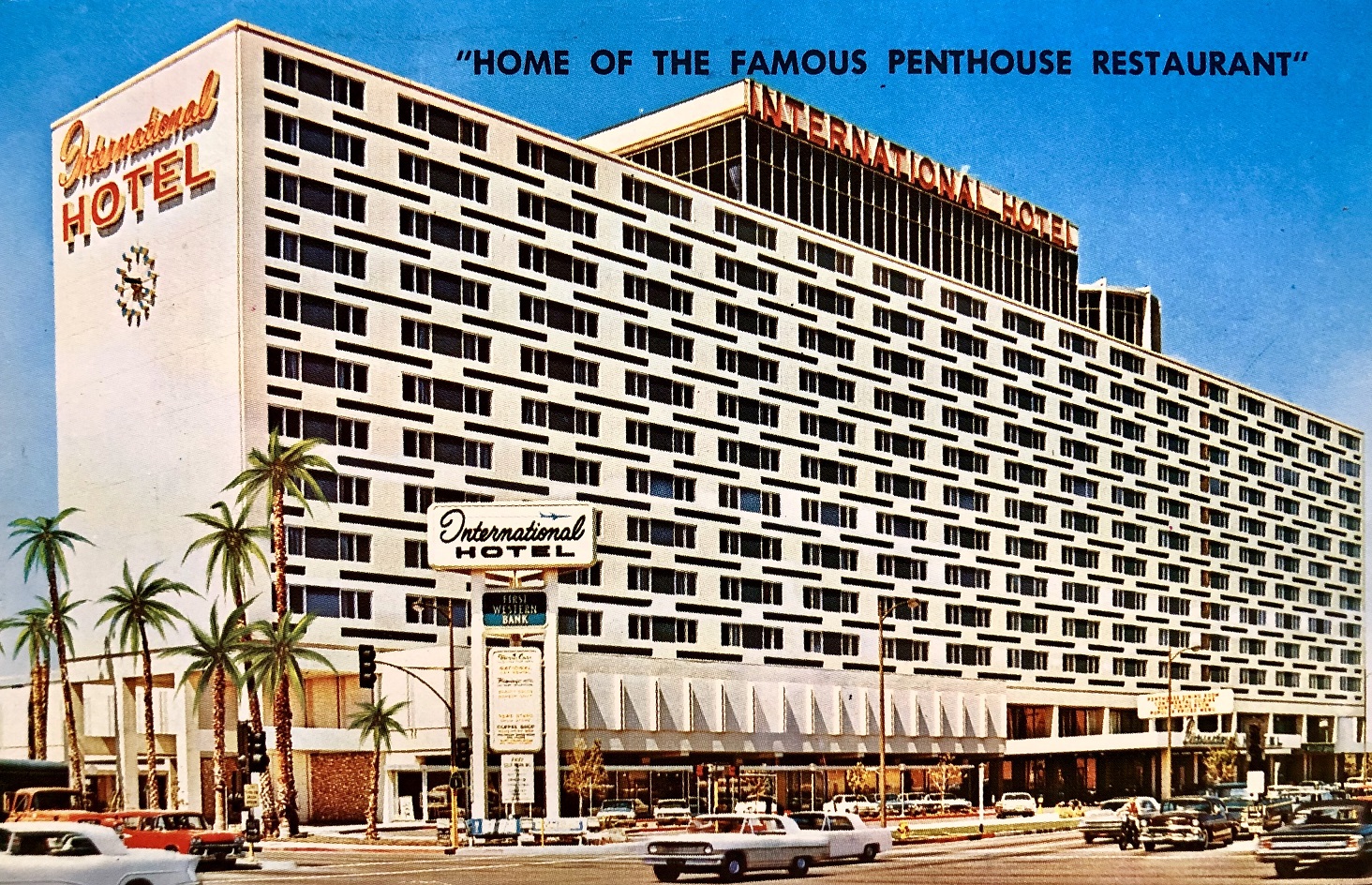




 Aiden S Clarke, author